
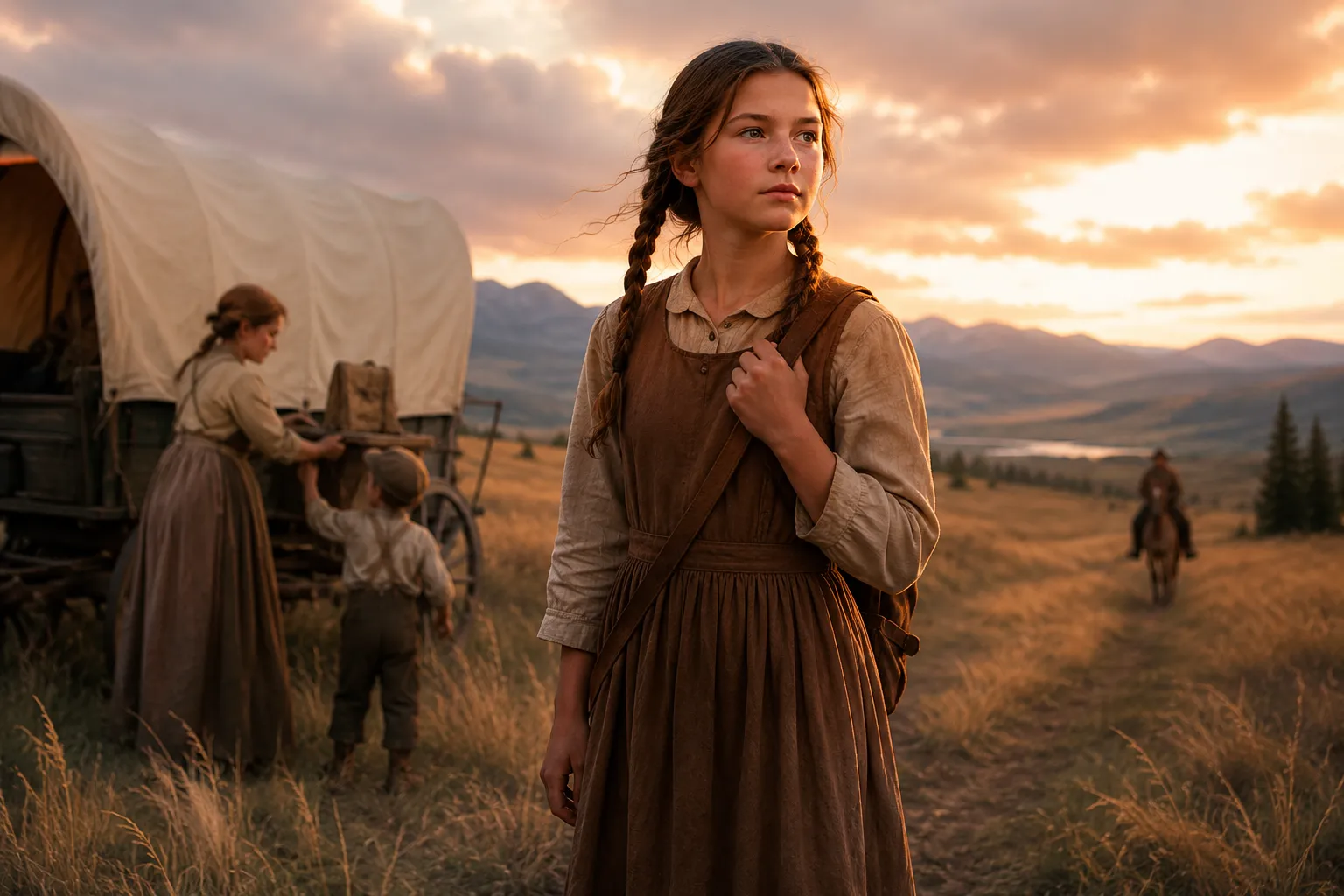
The frontier demanded a strange paradox from its young women: absolute self-reliance paired with utter dependence on community. A girl could chop wood and shoot a rifle, yet she might not survive a winter without neighbors who shared their stores of dried meat and healing herbs.
This tension defines the coming-of-age journey in frontier fiction. The girl who learns to stand alone must also learn when to lean on others. The orphaned protagonist who loses everything discovers she cannot rebuild without help. The wild independence she craves only works when balanced against the interdependence that frontier life requires.
The Quick Takeaway:
Frontier girl coming-of-age novels reveal that true maturity is not choosing independence over dependence, but learning to navigate both. Heroines demonstrate resilience through self-sufficiency while discovering that community support is not weakness, but the very foundation of survival. This dual path, reflected in characters from Eloise Jackson to Willa Cather’s Alexandra, shows that wholeness comes from knowing when to stand firm and when to reach out.
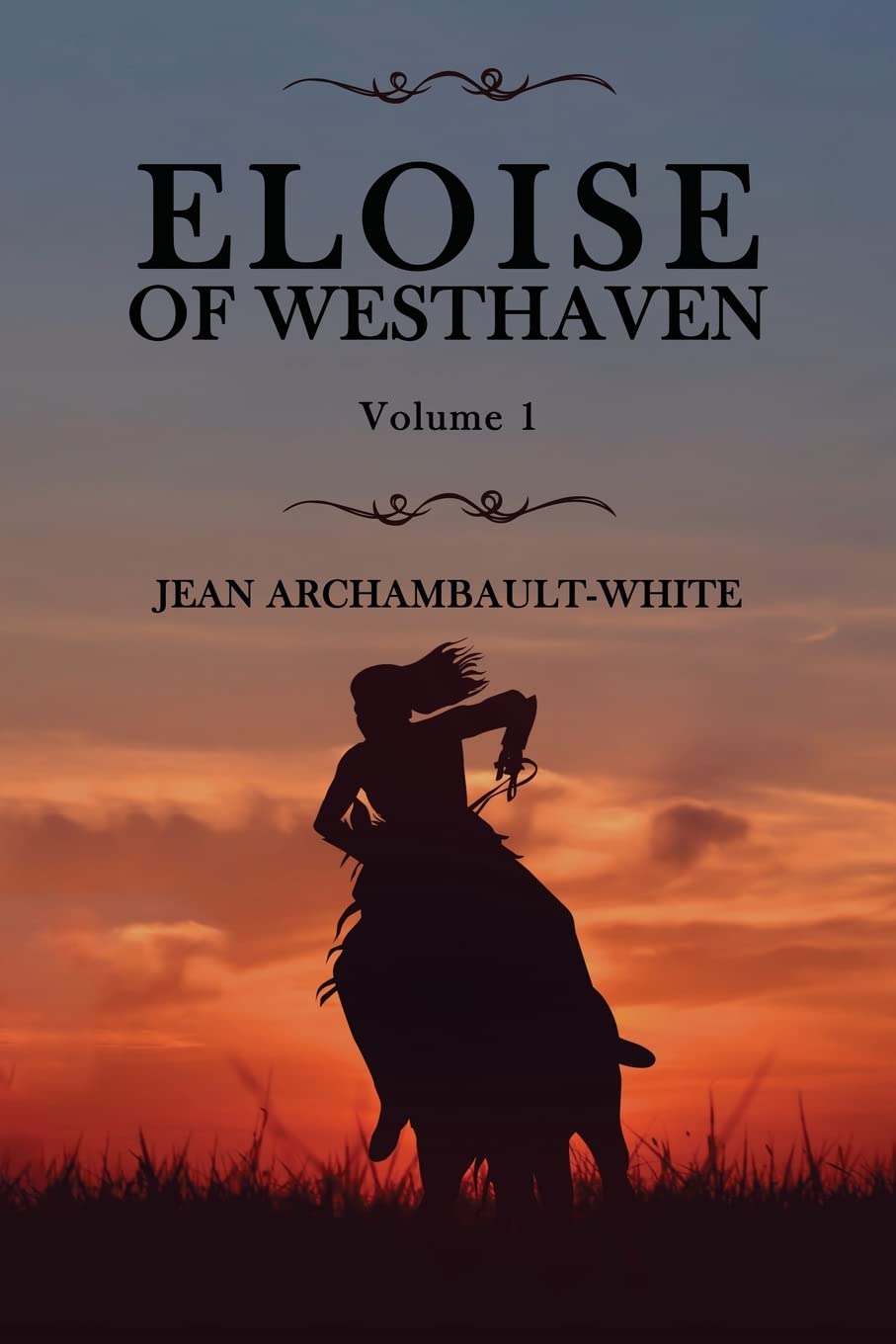
ELOISE OF WESTHAVEN
Volume 1
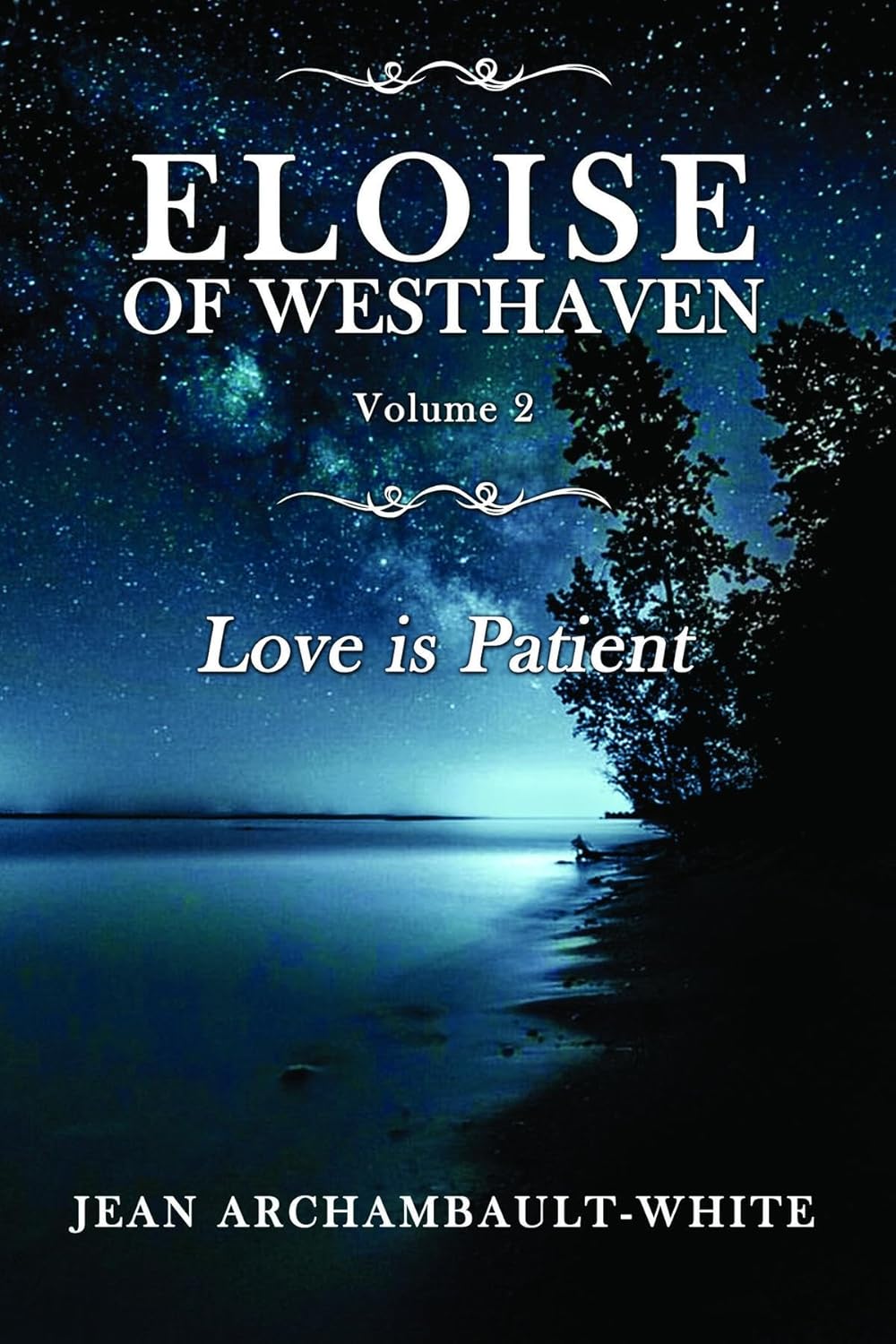
ELOISE OF WESTHAVEN
Volume 2
The False Choice: Why Independence and Dependence Are Not Opposites
Many readers approach these novels expecting a clean trajectory: the weak, dependent girl transforms into a strong, independent woman. Yet the historical reality of frontier life made such a neat division impossible.
Young women in frontier settlements could not afford pure independence. A homesteader’s daughter who refused help would starve during harvest, freeze without neighbors to cut firewood, or die in childbirth without an experienced woman nearby. The frontier demanded a different kind of strength, one that recognized interdependence as practical wisdom, not personal failure.
The true arc in these novels is not from dependence to independence, but from a child’s helplessness to a mature woman’s understanding of her place within a web of mutual obligation. This more complex growth appears consistently across the genre, shaping how we understand the heroine’s journey.
How Authors Construct the Independence-Dependence Arc
Historical scholarship on frontier women’s diaries reveals a pattern that fiction often mirrors. Young women began their frontier experience by marking a psychological break with their old selves, then constructed a new identity through a series of self-defining incidents. These episodes displayed them as increasingly capable, resourceful, and competent.
When Monica Hopkins arrived at her Montana ranch, she learned the hard way that a parasol — proper protection for a lady in an open carriage—would frighten horses and nearly cause an accident. She did not dwell on her ineptness. Two letters later, she described stopping a stampede with nothing but a raised hand and a firm “whoa,” then made sure the men remembered her role. Her self-portrait shifted from a helpless Eastern lady to a capable frontier wife.
This pattern resonates throughout frontier fiction. The heroine typically begins with a moment of dislocation — a family death, a broken engagement, or a forced departure from home — that strips away her previous identity. Then, through deliberate effort and the guidance of others, she rebuilds herself as someone who belongs.
The Role of Loss and Grief in Shaping Independence
Eloise Jackson’s story opens with devastating loss. Her father dies, then her infant sister, then her brother Tommy. Her mother’s death leaves her truly alone, possessing nothing but “this bit of dust we once called a farm” and seventeen years of life. This sequence of grief does not merely set the plot in motion; it creates the psychological condition for her growth.
The orphaned or isolated protagonist must learn self-sufficiency because no one remains to provide for her. Yet paradoxically, it is precisely this extreme independence that forces her to accept help. The frontier community simply will not let a young woman starve or die of fever, even when pride demands she refuse assistance.
Research on pioneer diaries confirms this dynamic. Frontier women emphasized their capability and quick-thinking in difficult situations, yet their narratives also acknowledged that survival required neighborly cooperation. Mollie Dorsey Sanford, who often portrayed herself as saving the day, also wrote of her mother’s grief and her own dependence on others’ help.
The Community as Both Support and Constraint
Western historical fiction often presents the community as a double-edged sword. Neighbors provide food when the harvest fails, medicine when fever strikes, and companionship when grief overwhelms. But they also demand conformity, gossip about shortcomings, and punish those who transgress local standards.
For the frontier girl coming of age, learning to navigate this duality is essential. The Cravits family in Eloise of Westhaven represents the ideal supportive community. They take in an orphan, nurse her through fever, and offer her a place without demanding repayment. Their generosity is not charity but the simple operation of neighborly obligation: “God made us to help one another.”
Yet even this ideal community constrains. Eloise cannot work at the inn, because “that inn’s no fitting place for a young lady.” She cannot live alone or take a job that would expose her to “shady characters.” Her choices are guided, sometimes firmly, by those who care for her. Independence within this framework means choosing a path that honors these relationships while still exercising her own judgment.
When Pride Becomes a Barrier to Growth
Some of the most powerful moments in frontier coming-of-age novels occur when the heroine’s fierce independence must yield to acceptance of help. Eloise resists the Cravitses’ kindness at first, insisting she must “earn her keep.” She wants to find a room somewhere and work at the inn, refusing to be a burden.
Mr. Cravits counters this pride with a story from his own past. Taken in by the Cravits family after his parents died of cholera, he learned that accepting help allowed him to help others eventually. “By doing for you, I can finally repay them,” he explains. “Someday, there’ll be a way for you to do something for someone else.”
This lesson recurs across the genre. The heroine who refuses all help remains stuck in a child’s helplessness. The heroine who learns to receive gracefully discovers that accepting care is itself a form of maturity. The circle of giving and receiving, not one-way independence, creates the resilient communities that frontier life required.
The Role of Romantic Love in the Independence Arc
Romantic relationships in these novels often test the independence-dependence balance. A girl who has learned self-sufficiency must decide whether marriage means losing herself or finding a partnership that honors her growth.
Eloise’s developing relationship with David Cravits illustrates this tension. She initially resists seeing him as more than a brother, partly because acknowledging romantic feelings would mean admitting vulnerability. Yet when David finally speaks his love, she recognizes that “this was the missing piece,” not a surrender of her independence but its completion.
The relationship that works in these novels honors both parties’ strengths. David does not rescue Eloise; she rescues herself and the town from the outlaws. He loves her precisely for the qualities that make her independent: her courage, her quick thinking, her refusal to be anyone’s victim. Their partnership is not about dependence but about mutual strength.
Practical Application: What Readers Can Learn
The independence-dependence tension in frontier novels offers lessons for modern readers:
Recognize that independence is not always the answer. The heroine who insists on doing everything alone often fails or suffers needlessly. Accepting help is not a weakness.
Build a community before you need one. The frontier families who survived did not wait until a crisis to make connections. They invested in relationships daily, sharing meals, labor, and company.
Let grief teach you what you still have. Loss of family and home forces the heroine to discover who she is without them. This painful stripping away often reveals unsuspected strengths.
Learn both to give and to receive. The Cravitses model this balance perfectly. They give generously, but they also teach Eloise to accept gifts gracefully. Both practices are essential to community life.
Find partners who respect your strength. The right relationship enhances independence rather than diminishing it. David loves Eloise because she is capable, not because she needs rescuing.
The Enduring Appeal of the Frontier Girl’s Journey
Why do readers return to these stories of young women finding their way on the frontier? Perhaps because the independence-dependence tension remains unresolved in our own lives. We want to be strong, capable, and self-sufficient. We also want to belong, to be held, to know that others will catch us when we fall.
The frontier novel’s heroine shows us that both things are possible. She chops wood and reads Greek. She protects children and accepts a new family. She stands alone against outlaws and also receives love that changes everything.
This is not a contradiction but a resolution. The mature frontier woman integrates independence and dependence into a single integrated life. She knows herself, knows her limitations, and knows when to ask for help. She also knows her own strengths and uses them without apology.
Readers who have lost everything or fear they might — find comfort in these stories. The heroine’s journey offers a model for rebuilding, a template for moving from grief to new life, and a reminder that even the deepest loss can become the foundation of a new kind of strength.
Frequently Asked Questions
How does the independence-dependence theme differ between frontier girl novels and modern coming-of-age stories?
Modern coming-of-age stories often frame independence as the ultimate goal—leaving home, establishing identity, rejecting parental influence. Frontier novels treat this question more practically. The heroine cannot simply leave her community behind because survival requires interconnection. Her growth is not about rejecting dependence but learning to manage it wisely alongside her growing self-sufficiency.
Why do so many frontier heroines start as orphans?
Orphanhood strips away the heroine’s previous identity and forces her to rebuild from nothing. This creates the psychological clean slate that makes growth visible. It also places her in a position where she must accept help from others, making the dependence theme explicit. Without the orphan beginning, the heroine might simply continue her parents’ life rather than discovering her own path.
Does accepting help mean the heroine has failed to become independent?
Not at all. In frontier novels, accepting help demonstrates maturity, not weakness. The child demands independence and resents assistance. The adult recognizes that no one survives alone and accepts care gracefully. The community itself functions through mutual dependence, so rejecting help would actually be a form of immaturity.
How do frontier novels handle the role of faith in this tension?
Frontier fiction, especially Christian historical fiction, often presents faith as the framework that makes the independence-dependence balance possible. Trusting God provides a foundation for self-reliance—if God is with you, you can face almost anything. But faith also requires humility, the admission that you cannot save yourself. Prayer, as Eloise practices it, becomes the model for healthy dependence: asking for help while also taking action.
What makes the frontier setting essential to this theme?
The frontier’s physical harshness makes the issue literal. You cannot survive a prairie winter alone. You cannot recover from fever without someone nursing you. The dependence theme is not abstract; it is written into the landscape itself. The setting forces characters to confront their limits, making the growth toward interdependence not optional but essential to staying alive.
For further exploration of how historical fiction portrays resilience and community, visit the author’s blog on frontier girl coming-of-age stories. Explore more about how frontier girls developed resilience in pioneer life and the role of neighbor cooperation in pioneer communities.

0 Comments