
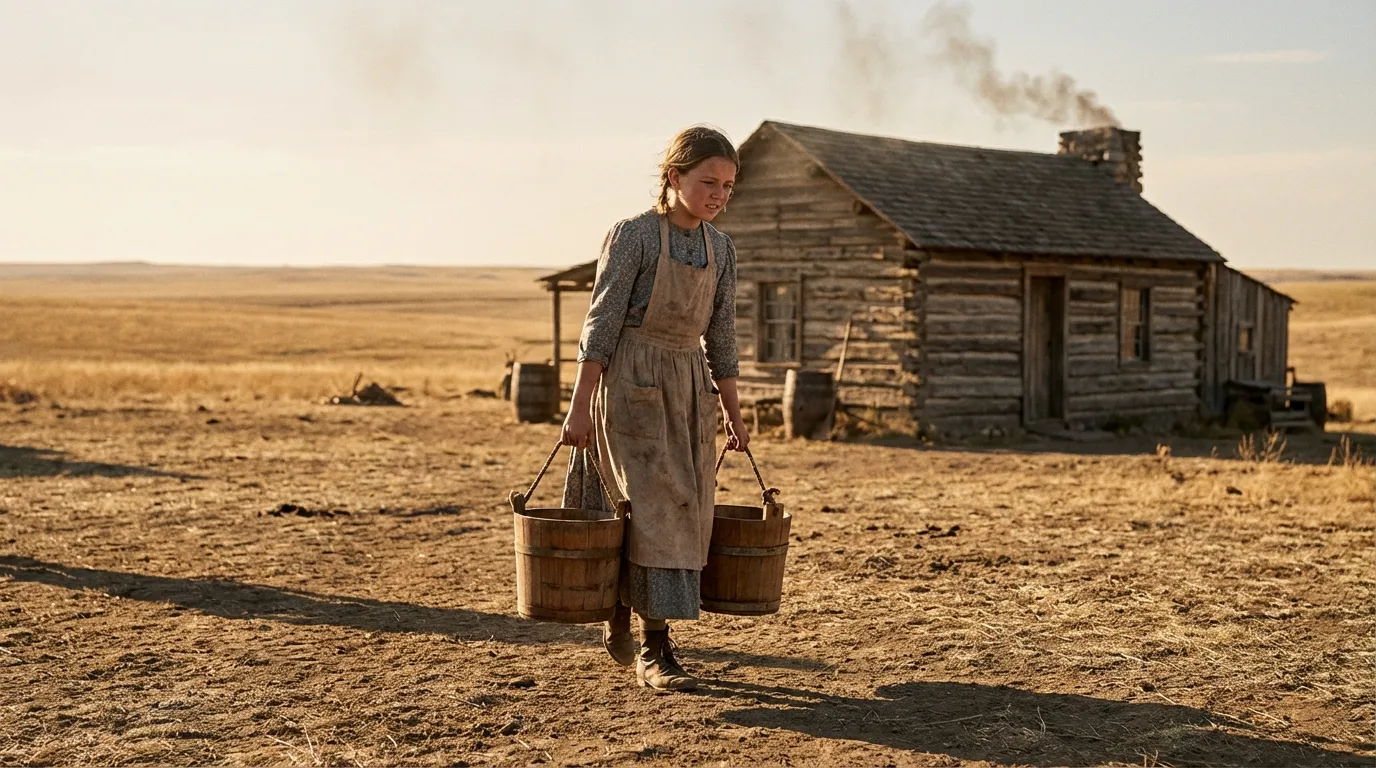
There is something special about a story where a young girl grows up on the edge of hardship.
She is not growing up in a safe, easy place. She is growing up where weather can ruin a crop, illness can change a family overnight, and one trip to town can feel like a mission. In these stories, girlhood is not soft and slow. It is full of chores, worry, love, fear, and quiet courage.
That is why pioneer girl coming-of-age stories in historical fiction still speak to readers. These books are not just about bonnets, cabins, wagons, and prairie land. They are about becoming. They show how a girl learns to carry responsibility, how she faces loss, and how she starts to understand herself in a harder, deeper way.
Many readers start with Laura Ingalls Wilder. That makes sense. Wilder’s autobiographical Pioneer Girl became the base material that later evolved into the Little House novels, which helped shape how many readers picture frontier girlhood. The Pioneer Girl Project and related scholarship focus on that shift from lived memory to fiction.
Still, readers searching this topic often want more than book history. They want stories that capture the heart of frontier girlhood: loneliness, duty, grit, tenderness, and the slow move from child to young woman.
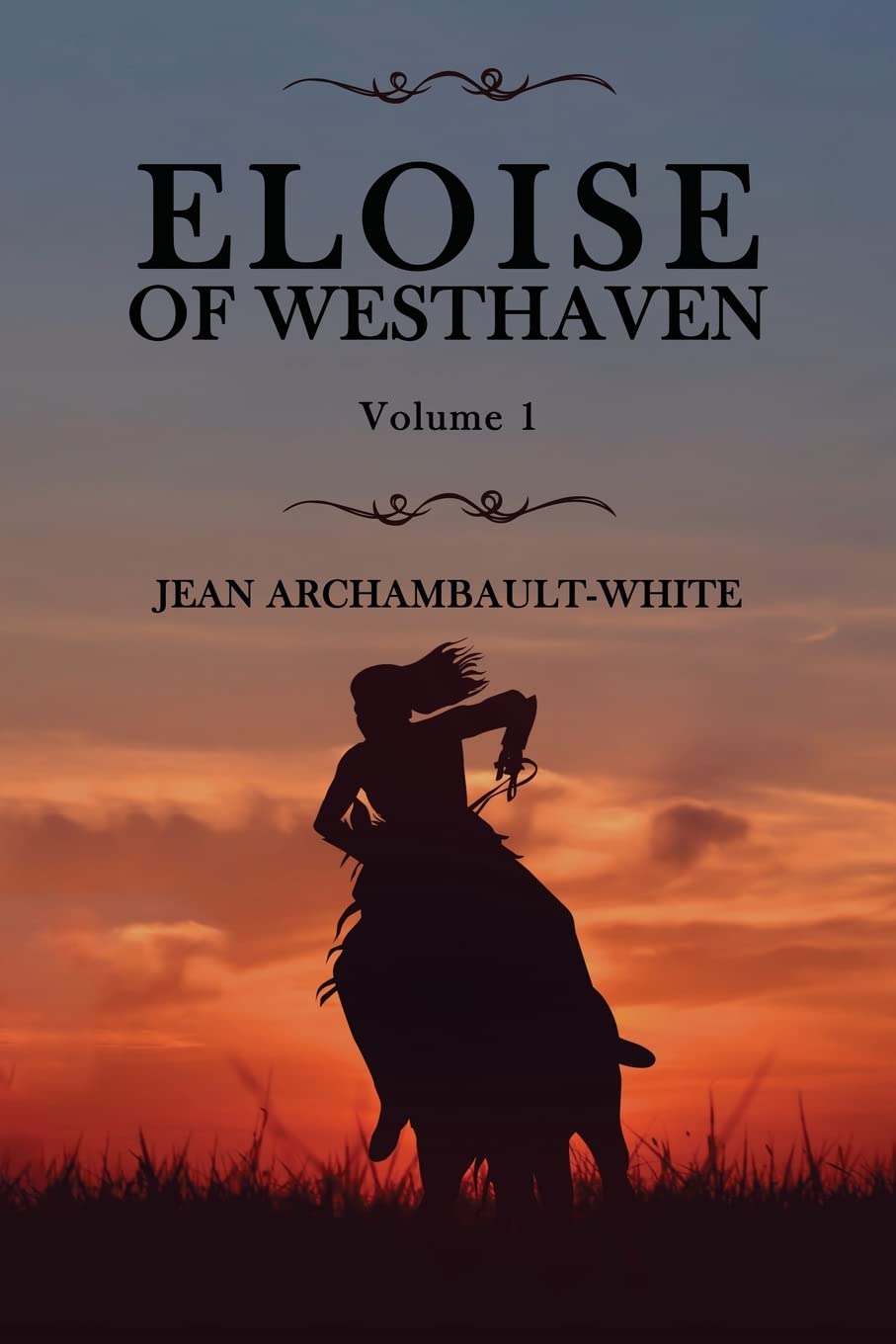
ELOISE OF WESTHAVEN
Volume 1
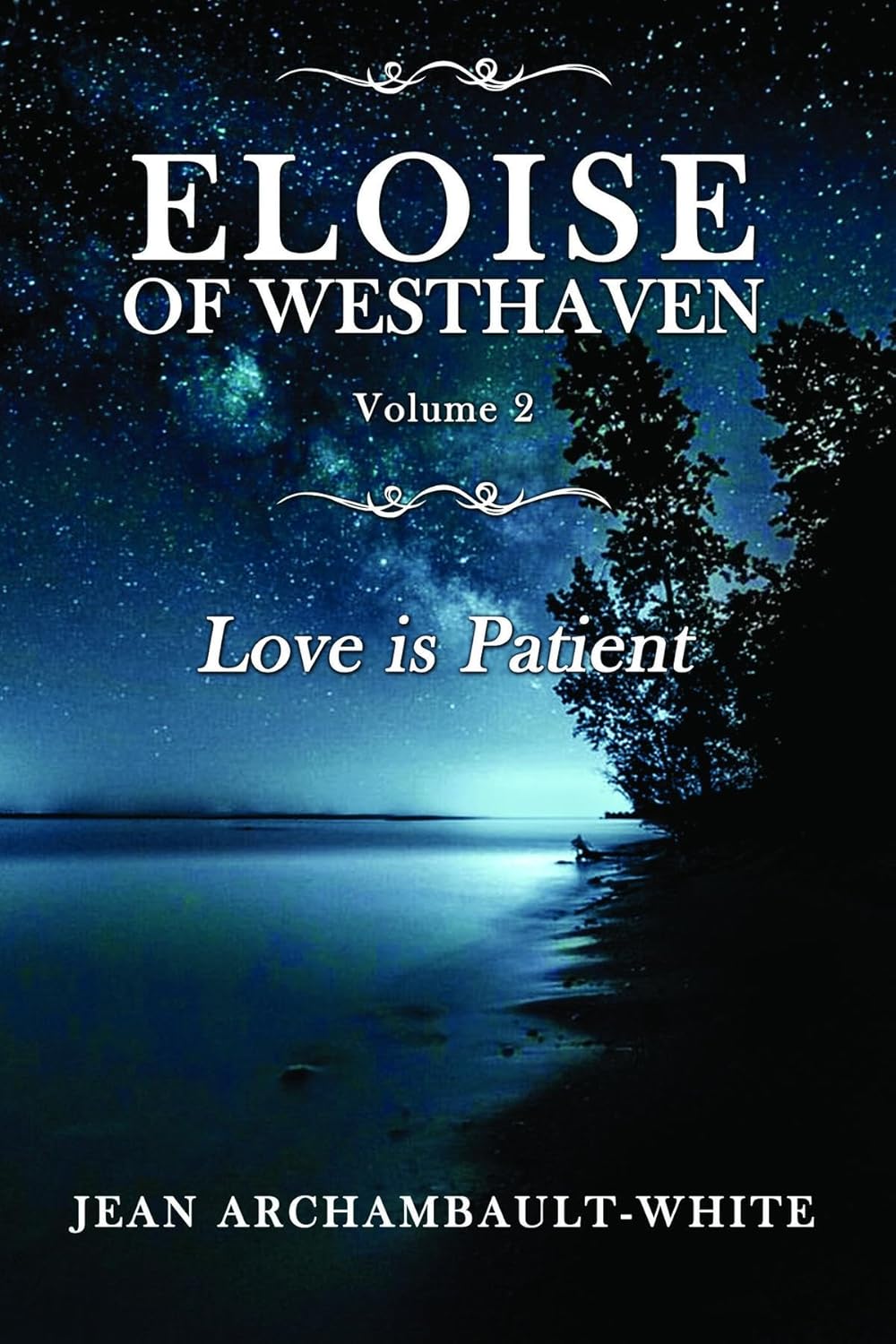
ELOISE OF WESTHAVEN
Volume 2
Why pioneer girl stories feel so personal
A strong coming-of-age story works because it asks a simple question: Who is this girl becoming?
That question matters even more in pioneer historical fiction. On the frontier, a young girl often has to grow up before she feels ready. She helps care for siblings. She cooks, cleans, mends, carries water, and closely observes adults. She learns that survival is built from ordinary tasks done well, day after day.
That kind of growth remains salient to modern readers.
You may know what it means to lose safety, to care for others, or to keep moving when life gets heavy. Pioneer girl novels take those feelings and place them in a setting where every choice matters more. For a deeper look at the historical backdrop behind these stories, what life was truly like for girls in rural frontier towns helps separate fact from fiction.
What makes a pioneer girl story a true coming-of-age story?
Not every frontier novel is a coming-of-age novel. Some are adventure stories in old clothes. Others use the setting well but do not give the heroine enough inner change.
A real coming-of-age story needs growth you can feel.
Responsibility arrives early
In pioneer fiction, girls rarely get to stay children for long. Their work matters to the family. If they are careless, someone pays for it. If they are brave, the home keeps going.
This is one reason the best books in this niche feel grounded. The heroine earns maturity through work, not speeches.
A girl may begin the story feeling small, restless, or unsure. Then life asks something from her. She must act. She must help. She must think beyond herself. By the end, she sees the world with sharper eyes.
Loss changes her
Good pioneer girl fiction does not hide from pain. Death, illness, crop failure, hunger, storms, and isolation were part of frontier life. The American frontier as a distinct line of settlement had effectively disappeared by the 1890 Census, but the decades before that were marked by hard living conditions and limited medical access in many rural areas.
Because of that reality, these stories carry weight. A girl may lose a parent, a sibling, a friend, or a sense of home. She may have to keep working while her heart is still breaking. That mix of grief and duty is one of the strongest features of the genre.
Skill becomes confidence
In many modern stories, confidence comes from praise or self-expression. In pioneer fiction, confidence often comes from useful action.
Can she stay calm in trouble?
Can she think clearly under fear?
Can she comfort someone weaker than herself?
Can she do the hard thing again tomorrow?
That kind of confidence feels earned. It is less shiny, but more lasting. It didn’t appear by accident—readers interested in the real-world roots of this trait can explore how frontier girls actually built that resilience in daily pioneer life.
She learns that strength and softness can live together
The best pioneer heroines are not hard in a flat way. They do not become strong by losing their heart. They grow because they learn to hold two things at once.
They can grieve and still get supper ready.
They can feel fear and still walk forward.
They can want help and still keep their dignity.
That balance gives these stories emotional truth.
Why Laura Ingalls Wilder still shapes this genre
It is hard to talk about pioneer girl fiction without talking about Laura Ingalls Wilder.
Her work remains central because it helped define the image of frontier childhood for generations. The South Dakota Historical Society Press describes Pioneer Girl: The Path into Fiction as a record of how Wilder’s matter-of-fact memoir was transformed into fiction for young readers. That matters because it shows the distance between lived history and crafted story.
This also creates a great opening for readers today.
Once you understand that pioneer girl fiction is both historical and literary, you can look beyond familiar titles and ask better questions:
- Does this story show real emotional growth?
- Does the setting shape the girl, or just decorate the page?
- Does the book show frontier life as work, not just scenery?
- Does the heroine change in a clear, believable way?
Those questions lead to better reading choices.
The emotional themes that make these books memorable
Family duty
Family is the center of many pioneer girl stories, but not in a cute, polished way. Family often means labor. It means sacrifice. It means stepping in before you feel ready.
Love may appear in the form of warm bread, mended socks, a long ride for help, or a hand placed on a fevered forehead in the middle of the night.
That makes these books feel honest. Love is not abstract. It is lived.
Grief without drama for drama’s sake
The best novels in this niche let sadness sit where it belongs. They do not rush to fix it. A girl may lose someone dear, and still the cow must be milked. The fire must be fed. The younger child must be comforted.
That is what makes the grief hit harder. Life does not stop, even when the heart wants it to.
Community care
People often think frontier stories are all about self-reliance. That is only half true.
Yes, grit matters. But many pioneer stories also show that survival depends on neighbors, shared food, quick help, and people who show up when they are needed. A girl may become stronger through hardship, but she often becomes wiser when she learns that accepting help is not weakness.
That lesson still lands today.
Moral growth
A strong coming-of-age story is never just about getting older. It is about growing in judgment.
A good pioneer girl novel shows a heroine learning how to read character, how to forgive, how to admit error, how to tell pride from self-respect, and how to protect what matters without turning cruel.
That is where these books become more than historical fiction. They become human stories.
What readers are often looking for when they search this topic
Many readers searching for pioneer girl coming-of-age stories in historical fiction are looking for books that feel like Little House, but with a wider range of voices, deeper hardship, or a stronger emotional arc.
That is one reason recommendation lists still do well. Book Riot’s list of middle-grade pioneer-era books points readers toward titles beyond Wilder, including books by Louise Erdrich, Jennifer L. Holm, and Karen Cushman. That shows there is ongoing interest in frontier-set stories that move past one familiar series.
Usually, readers want one of four things:
1. A classic frontier feel
These books focus on daily life, weather, chores, family rhythm, and simple but moving details.
2. A stronger hardship arc
These lean more into illness, loss, poverty, danger, and emotional strain.
3. A girl with a sharper inner journey
These are best for readers who care most about how the heroine changes inside.
4. A frontier story with warmth
Some readers want struggle, but they also want comfort. They want a book that hurts a little, then heals a little.
The best books in this niche usually give both.
Signs that a pioneer girl novel is worth your time
When choosing a book in this category, look for these clues:
The heroine has real duties
If the girl has little to do and little at stake, the story may not feel true to the setting.
The setting affects the plot
Weather, distance, illness, food, land, and labor should shape what happens.
The emotional stakes are clear
You should know what the heroine fears, what she loves, and what might break her heart.
The girl changes in ways you can name
By the end, you should be able to say how she has grown. Braver? Kinder? Wiser? More honest? More steady?
Hope feels earned
The best endings in pioneer fiction do not feel cheap. They feel like light after labor.
Why these books still matter now
They honor the past, but they also speak to the present. They remind us that tenderness is not weakness. If you’re looking for a new story that carries all these themes forward, I invite you to discover the story of Eloise of Westhaven, a pioneer girl whose journey embodies this tradition.
They remind us that growth is often quiet.
It can look like duty.
It can look like patience.
It can look like getting up and helping when nobody hands you a medal for it.
For younger readers, these books can show that courage is often plain and practical.
For adult readers, they offer something just as valuable: a return to stories where character matters more than image, where strength is tied to care, and where a person becomes herself through action, not performance.
These are old settings, but the inner struggles are still fresh.
Who am I when life gets hard?
What do I owe the people I love?
How do I keep my heart open after loss?
What kind of woman am I becoming?
That is why this subgenre keeps finding new readers.
Conclusion
The best pioneer girl coming-of-age stories in historical fiction are about much more than frontier life. They are about the making of a self.
They show a girl learning to work, to endure, to love, to grieve, and to keep going. They show that growing up is rarely neat and never easy. They show that courage is not always loud. Sometimes it is a girl tying on her bonnet, stepping into a hard day, and doing what must be done.
That is why these stories still matter.
They honor the past, but they also speak to the present.
They remind us that tenderness is not weakness.
They remind us that duty can shape character.
And they remind us that some of the strongest journeys happen far from crowds, in small homes, on open land, where a girl slowly learns the measure of her own heart.
FAQs
What is a pioneer girl coming-of-age story?
It is a historical fiction story about a young girl growing up on the frontier and changing through hardship, work, family duty, and emotional growth.
Are pioneer girl stories only for children?
No. Many are written for middle-grade or teen readers, but adults also read them for the historical setting, family themes, and emotional depth.
Is Pioneer Girl the same as the Little House books?
No. Pioneer Girl is Laura Ingalls Wilder’s autobiographical writing, while the Little House books are shaped as fiction for younger readers. Scholars and editors have closely traced that transformation.
What themes are common in pioneer girl historical fiction?
Common themes include resilience, grief, family duty, self-reliance, illness, neighborly care, identity, and moral growth.
What makes a pioneer girl story emotionally strong?
It needs more than a prairie setting. A strong story gives the heroine real hardship, honest feelings, meaningful choices, and clear inner growth by the end.
CTA
If you love historical fiction that shows real emotional growth, I invite you to explore the stories of Jean Archambault-White. Her pioneer girl novels capture the quiet courage, daily duties, and big inner change that define the best of this tradition, girls becoming themselves through hardship, hope, and heart. Save this article, share it with someone who still loves frontier stories, and discover a new heroine today. The best reading experiences often begin with one reader saying, “This girl stayed with me.”

0 Comments