


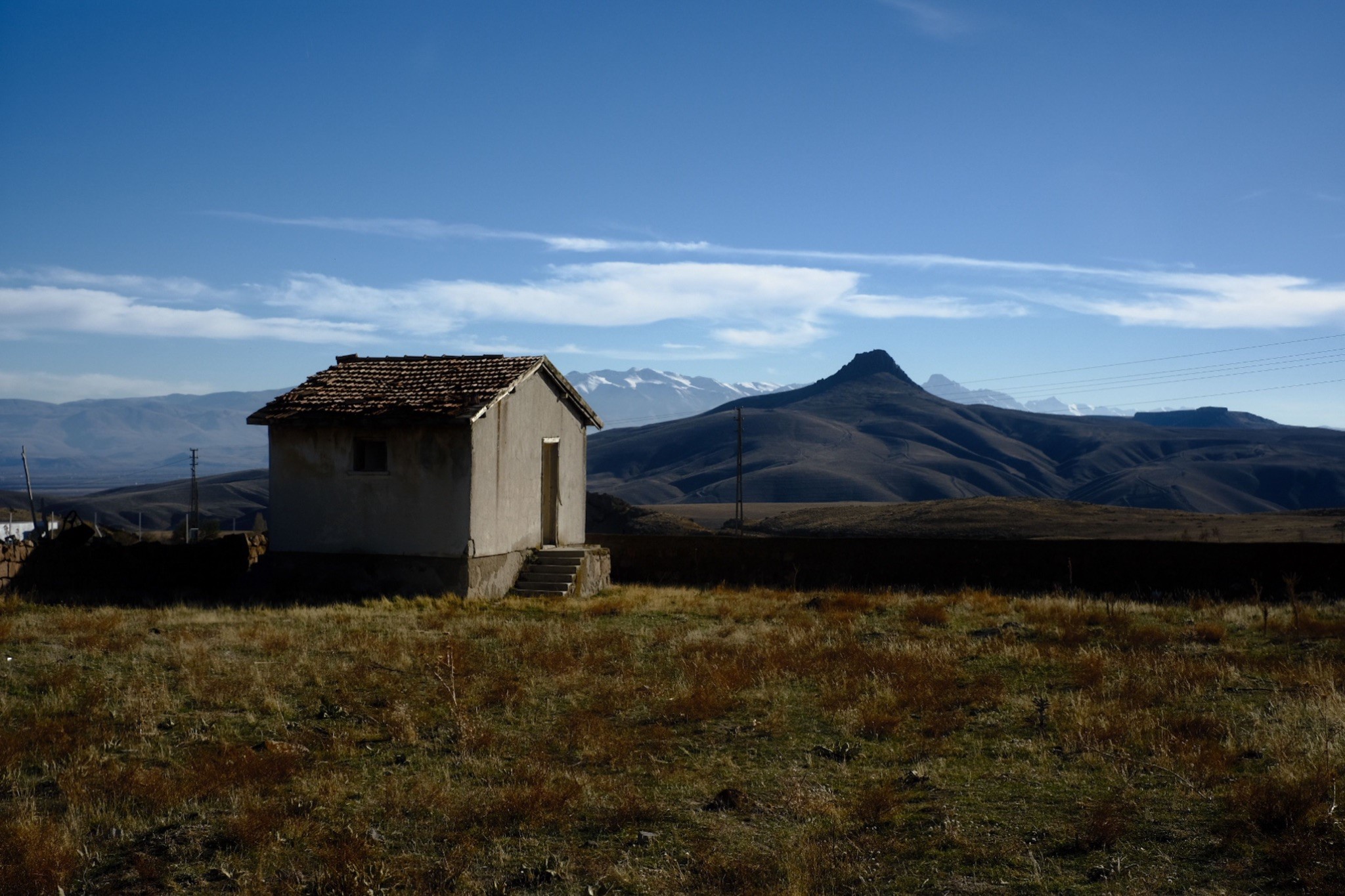
Photo by ahmet öktem
Pioneer families on the frontier faced unimaginable hardships that tested their courage and determination every single day. These brave settlers left everything behind to chase opportunity in unexplored lands, but what awaited them was far harsher than most imagined. Understanding what they endured gives us perspective on the resilience required to build America.
When you read Christian stories about hope and resilience, many echo the struggles that pioneer families on the frontier experienced firsthand. These narratives resonate today because they capture something universal about human perseverance. The challenges were brutal, yet families pushed forward with commitment to their vision of a better future.
The Daily Grind of Survival
Life on the frontier tested everything. Pioneer families on the frontier woke before dawn to labor until dark. Women prepared meals from scratch using ingredients they grew, hunted, or foraged. Men cleared land and protected families from constant danger. Children worked alongside adults from infancy, learning skills that meant survival or death.
Food scarcity haunted most households. A failed crop meant starvation. Preserving food through winter required knowledge of smoking, salting, and pickling. Your diet consisted of corn, beans, and whatever game you could hunt. Water sources determined where you settled. Contaminated water meant sickness. Pioneer families on the frontier often settled near rivers, but these water sources attracted disease and conflict with other settlers.
The Harsh Reality of Survival
Frontier life demanded knowledge that most people today could never acquire. You needed to know which plants were safe to eat. You needed to understand basic medicine because doctors didn’t exist within a hundred miles. You had to deliver babies, set broken bones, and treat wounds without antibiotics.
Disease killed more people than violence. Cholera, dysentery, and typhoid swept through settlements. Pregnancy was genuinely dangerous. Many women died in childbirth. Children succumbed to illnesses that modern vaccines now prevent. Fever and infection claimed lives regularly in pioneer communities.
Challenges of Frontier Living
The challenges of frontier living unified people or destroyed them. Neighbors depended on each other for survival. A barn raising brought the entire community together. A harvest required collective effort. Someone’s misfortune endangered the whole settlement.
Yet cooperation existed alongside fierce competition. Land was limited. Resources were limited. Conflicts over water rights and hunting territories sparked violence. Pioneer families on the frontier sometimes gained a neighbor one month and lost them to violence the next. Disputes over property turned deadly when law enforcement didn’t exist.
How Early American Settlers Built Communities
Early American settlers developed social structures quickly out of necessity. Churches provided spiritual guidance and social organization. Schools operated sporadically when teachers were available. Town meetings determined how communities governed themselves. Every person had a role, and society collapsed without everyone performing their duties.
Marriage served practical purposes beyond love. A woman without a husband faced severe hardship. A man without a wife couldn’t manage a household and farm simultaneously. Partnerships formed quickly because survival depended on two sets of hands working constantly. Romance was a luxury when basic needs consumed every waking hour. Pioneer families on the frontier raised children differently than we do today. Children began working at age five or six. Your kids contributed to survival or the family unit failed. Education was minimal. Skills mattered far more than book learning.
Housing and Living Conditions
Your first shelter might be a dugout carved into a hillside. Covered wagons served as temporary housing. Eventually, families built crude cabins from logs and mud. These structures offered minimal protection from winter. Wind whistled through gaps between logs. Fires burned constantly. Smoke filled the interior because chimneys were poorly constructed.
Privacy didn’t exist. Entire families lived in single rooms. Personal space was unknown on the frontier. Multiple generations bathed in the same water and shared sleeping areas. Your mental resilience had to match your physical strength. Sanitation was primitive. Outhouses were standard. Washing meant cold water from a well. Diseases spread rapidly. Pioneer families on the frontier had no understanding of germ theory. Someone with dysentery could contaminate an entire settlement.
Threats Beyond Nature
Violence was an ever present danger. Native Americans defended ancestral lands against settlers encroaching on their territory. Wild animals posed genuine threats. Wolves, bears, and mountain lions killed livestock and occasionally people. Raiders targeted isolated settlements knowing law enforcement wouldn’t arrive for weeks.
Pioneer families on the frontier defended themselves constantly. Men learned to shoot weapons young. Fortified structures protected against raids. Constant vigilance replaced peace of mind. You never fully relaxed because danger could arrive without warning.
Photo by Pavel Danilyuk
The Emotional Reality: Pioneer Families on the Frontier
What historians often miss is the psychological weight of frontier existence. Isolation was crushing. Some settlers went months without seeing anyone outside their immediate family. Letters took months to arrive. News from civilization seemed like communication from another world. The loneliness drove some people to abandon their claims and return to established communities.
Grief was frequent and profound. Children died from common illnesses. Partners were lost to accidents or disease. Families were fractured by violence. Pioneer families on the frontier processed trauma while working for survival. There was no time for healing. You buried your dead and returned to work.
Why Pioneer Stories Still Matter
Pioneer families on the frontier possessed something many of us lack today. They faced genuine hardship without modern technology or safety nets. They lost loved ones and kept working. They endured hunger and disease and moved forward. Their resilience came from necessity, but it was real.
Their stories teach us that humans adapt to extraordinary circumstances. We can survive conditions we believe would destroy us. We can find meaning and community even in harsh environments. Pioneer families didn’t have therapists or self help books. They had each other and unshakable determination.
To truly understand what pioneer families on the frontier experienced is to understand a fundamental part of American history. These weren’t mythical heroes. They were ordinary people pushed to extraordinary limits. They succeeded and failed. They made mistakes and learned from consequences. Their journey built the foundation for the nation we live in today.
For more historical information about frontier settlement and homesteading practices, visit the Smithsonian Magazine’s collection on American pioneers. The Library of Congress maintains extensive pioneer diaries and journals providing first person accounts of frontier experiences.
If pioneer stories captivate you, consider reading Eloise of Westhaven by Jean Archambault-White. This novel follows Eloise Jackson, a young woman who loses her entire family to frontier hardships. Stripped of everything, she rebuilds her life with determination and courage through work as a governess. But when she discovers a gang of outlaws planning violence that threatens the community she’s fought to become part of, she must choose between safety and doing what’s right. Archambault-White masterfully weaves the real struggles of frontier women into a gripping narrative about loss, hope, and resilience. Eloise’s journey captures the exact strength that pioneer families on the frontier needed to survive and flourish in an unforgiving landscape.

0 Comments