
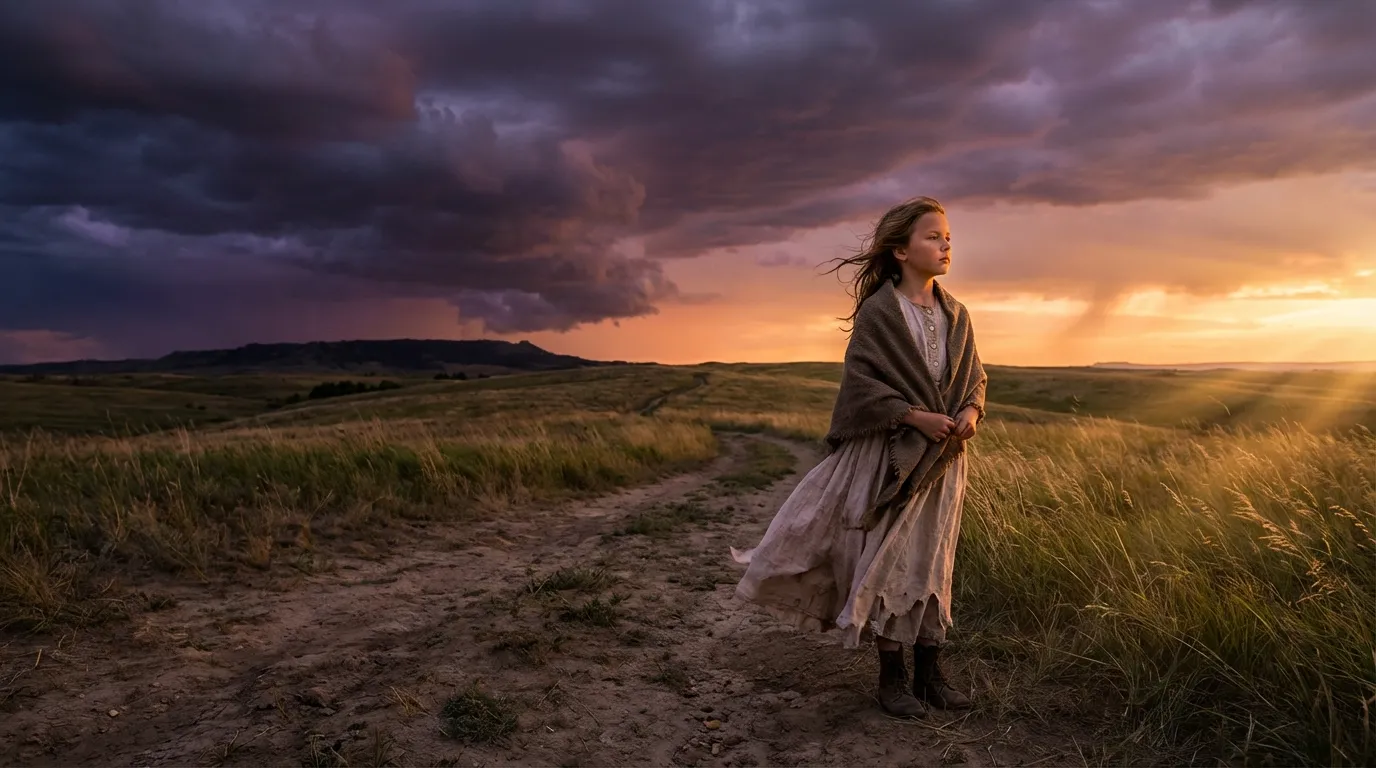
In frontier historical fiction, the landscape is never just a backdrop. It is an antagonist, a mentor, and a mirror. For young protagonists who lack the agency of adults, nature is the primary force that dictates their growth.
Here is a breakdown of how nature functions symbolically in this genre.
1. Nature as a Mirror of Emotion (Pathetic Fallacy)
In literature, the technique of attributing human emotions to inanimate nature is often called the “pathetic fallacy.” For a young character who may not have the vocabulary to express grief or trauma, the environment speaks for them.
- A dry, dusty road shows desperation and the feeling of being “dried out” emotionally.
- A sudden storm reflects inner chaos or a breaking point.
- Oppressive silence reflects the isolation of being the only child in a vast landscape.
Example: Imagine a young girl running across barren land. The text describes the ground as “hard-packed earth” and the air as full of “stinging dust.”
- The Deeper Meaning: This is not just scenery. The hardness of the earth mirrors the harshness of her reality. The dust represents the way her hopes are settling or obscuring her vision. It reflects exhaustion, poverty, and an urgent need for the environment to yield something—water, hope, or safety—that it refuses to give.
Symbol Meaning: Nature reflects what the character cannot yet say aloud. It validates their internal state.
2. Nature as a Test of Survival (The Crucible)
Frontier life removes the safety nets of modern society. For a young protagonist, nature is not a playground; it is a crucible—a severe test that forces impurities (childishness) out to reveal gold (maturity).
- Hunger teaches discipline and patience.
- Cold teaches the necessity of preparation and forethought.
- Distance teaches endurance and the value of putting one foot in front of the other.
Example: A protagonist runs for help across miles of open land, pushing past pain and fatigue.
- The Deeper Meaning: This is a rite of passage. In many cultures, a child becomes an adult only after surviving an ordeal in the wild. The physical act of running until their lungs burn is symbolic of leaving childhood behind. The pain is the price of adulthood.
Symbol Meaning: Nature represents the trials that shape maturity. It is the gatekeeper to growing up.
3. Nature as a Teacher (The Unstructured Classroom)
Unlike the structured schooling of the East or the city, the frontier teaches through cause and effect. Mistakes are not bad grades; they are often fatal.
Young characters learn through the “school of hard knocks”:
- How to adapt: Learning that plans change with the weather.
- How to endure loss: Seeing the cycle of life and death in livestock and crops.
- How to observe: Noticing the signs of a coming blizzard or a dry creek.
Example: A character reflects on practical skills learned from family: hunting, foraging, and preserving food.
- The Deeper Meaning: These are not just chores; they are acts of defiance against a hostile environment. When a character learns to start a fire, they are learning to create warmth in a cold world. When they learn to hunt, they are learning to take life to sustain life—a heavy moral lesson for a young person.
Symbol Meaning: Nature becomes the classroom where the curriculum is survival.
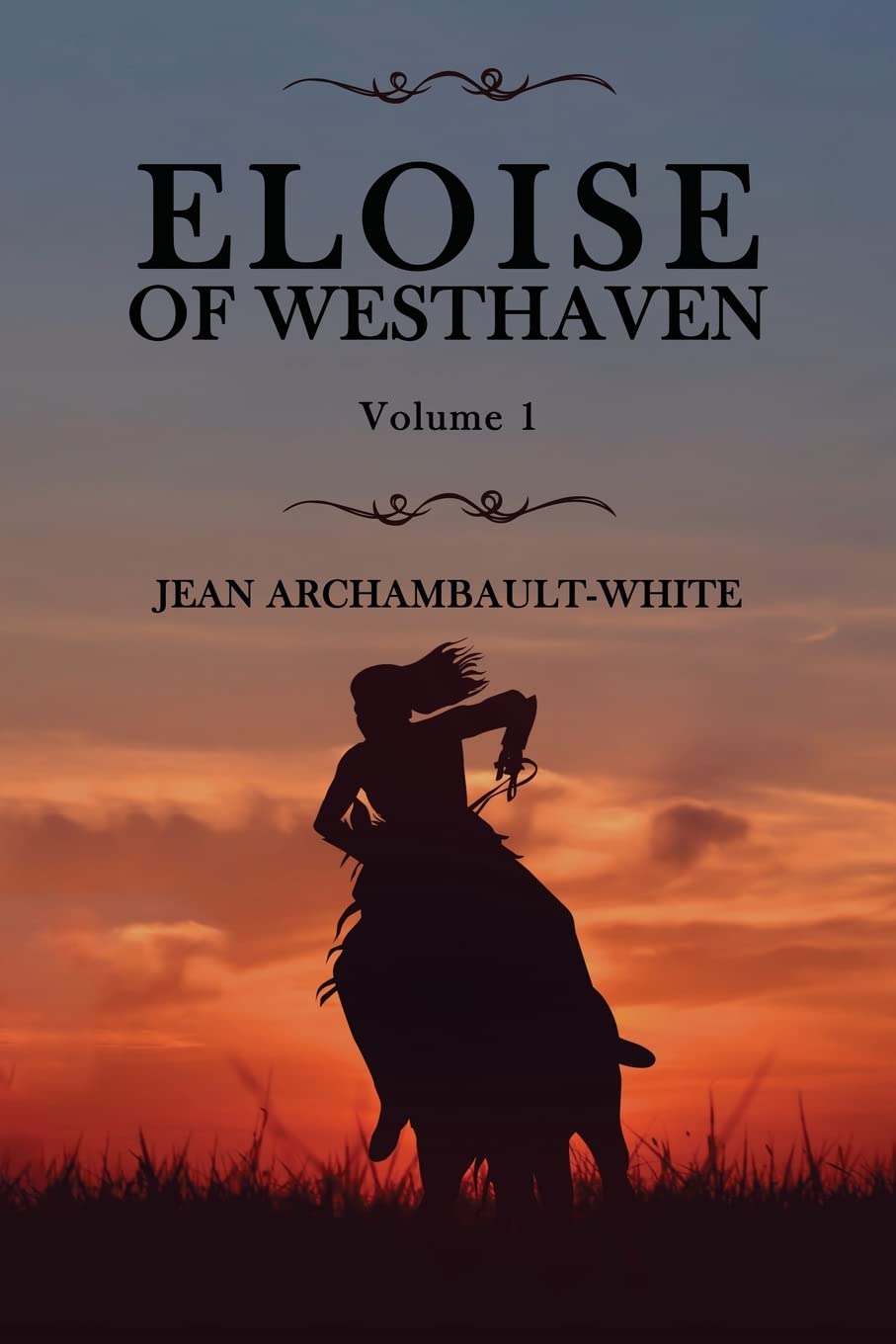
ELOISE OF WESTHAVEN
Volume 1
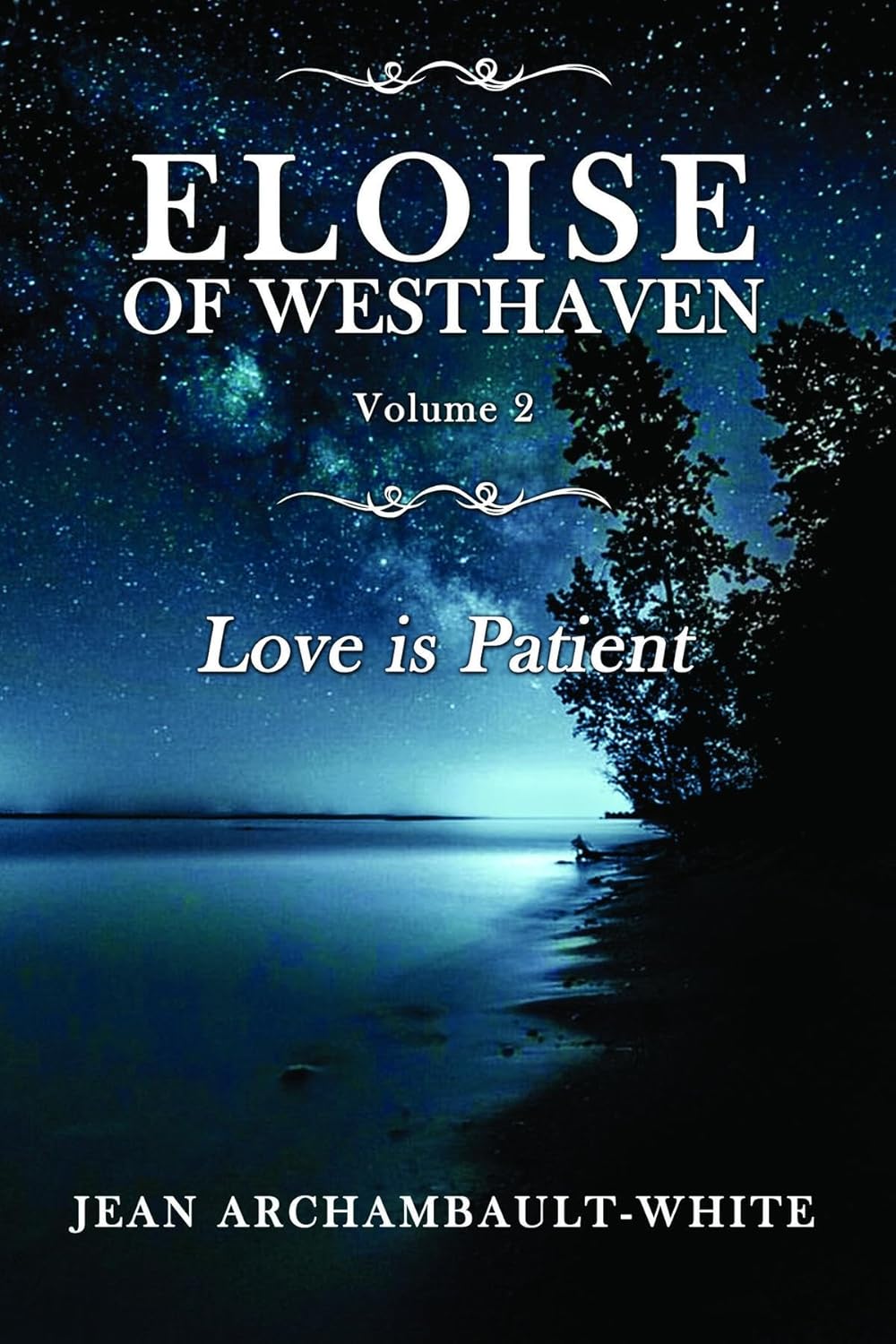
ELOISE OF WESTHAVEN
Volume 2
Why Young Protagonists Experience Nature Differently
Adults in frontier fiction often try to impose order on nature (building fences, digging wells). Children, however, lack this power. This changes their relationship with the wild entirely.
1. Limited Control (The Scale Difference) To an adult, a forest is a resource to be logged. To a child, a forest is a vast, overwhelming kingdom.
- The Symbolism: Because they cannot reshape the world, they must reshape themselves. This makes nature feel larger, more dangerous, and god-like.
2. Faster Emotional Impact Children process the world through their senses before logic.
- The Symbolism: A storm isn’t just a weather pattern; it feels like personal anger directed at them. A quiet field isn’t just empty; it feels like a physical weight of loneliness. The environment bypasses logic and hits the emotions directly.
3. Accelerated Growth (Loss of Innocence) Frontier life removes the safety of childhood.
- The Symbolism: Nature is the force that erases the line between “child” and “adult.” A young girl who must care for siblings after a parent’s illness isn’t just helping out; she is stepping into the void that nature (through disease or accident) created.
Types of Nature Symbolism
Harsh Landscapes = The Struggle for Identity Dry land, dust, or barren fields represent external hardship, but also internal depletion.
- Example: A drought often symbolizes a drought of hope or a crisis of faith for the community.
Open Space = The Double-Edged Sword. Wide plains are ambiguous symbols.
- Freedom: A place where a child can run, shout, and escape parental control.
- Isolation: A place where no one can hear you scream.
- Key: The meaning shifts based on whether the character is running toward something or running away from something.
Water/Rivers = Transition and Danger. Frontier fiction often uses rivers symbolically.
- Crossing a river: Often represents a threshold. Once the wagon crosses, there is no turning back. It symbolizes a commitment to a new life.
- Floods: Represent nature overwhelming human effort; a loss of control.
Weather = Emotional Shifts
- Storms: Conflict, fear, or the climax of a problem.
- Calm Skies: Clarity, relief, or the “calm after the storm” where the character processes their trauma.
- Heat: Pressure, exhaustion, and the feeling of being tested.
Animals = Survival Reality Animals in frontier fiction are rarely anthropomorphized (given human traits) like in fairy tales. They represent the raw reality of nature.
- Predators (Wolves/Bears): The ever-present threat of death.
- Livestock: Responsibility and the burden of care. If a child’s animal dies, it symbolizes the fragility of their safety.
- Wild Horses: Untamed freedom that the protagonist may envy or seek to emulate.
Short-Term vs. Long-Term Symbolism
Short-Term Impact (The Immediate Plot)
Nature creates immediate pressure that drives the scene.
- Hunger/Urgency: Forces the character to make a quick, risky decision.
- Example: Running across harsh land to seek help.
- Function: Plot advancement.
Long-Term Impact (The Character Arc)
Nature shapes the identity of the protagonist forever.
- Resilience/Independence: The landscape leaves a mark on their personality.
- Example: A character who survives a harsh winter becomes “hardened.” They may lose their playfulness but gain an unbreakable will.
- Function: Character development.
Nature and Loss: A Deeper Layer
One of the most powerful symbolic uses of nature is tied to memory. In frontier life, there are often no grave markers or churches.
Nature as a Grave Marker: When a young character loses family, nature often becomes the only tangible connection to them.
- The Memorial Tree: A young girl sits under a specific tree where she last spoke to a parent.
- The Symbolism: The tree is living wood; it grows while the memory stays static. It holds childhood, family, and identity. It represents the idea that while people die, the land remembers.
The Indifference of Nature. Conversely, nature’s indifference can symbolize the cruelty of loss.
- The sun rises after a tragedy. The birds sing after a death.
- This teaches the young protagonist a harsh lesson: The world does not stop for grief. The character must learn to move forward despite the sunshine.
How to Identify Symbolism as a Reader
Use this checklist when reading:
- The Emotional Check: What is the character feeling right now? Look at the weather. Is it matching? (e.g., Sadness + Rain).
- The Contrast Check: Is the weather opposite to the feeling? (e.g., Tragedy + Bright Sunshine). This highlights the cruelty of the moment.
- The Repetition Check: Does a specific landscape feature (a mountain, a river, a tree) appear repeatedly during emotional moments? If yes, it is a symbol.
- The Agency Check: Does the environment prevent the character from doing what they want? If nature blocks the path, it is acting as an antagonist.
FAQs
1. Is nature always symbolic in frontier fiction?
Not always, but often. A realistic author might describe a harsh winter simply to show historical accuracy. However, if the description is detailed and emotional, it usually carries symbolic weight.
2. Why is nature usually harsh?
Because the historical frontier was genuinely dangerous. Stories mirror that reality. However, symbolically, a “soft” nature wouldn’t force the character to grow. Struggle creates strength.
3. Does nature ever represent hope?
Yes. Spring is a classic symbol of renewal. The “green shoot” in a barren field often represents hope surviving in impossible circumstances.
4. Why focus on young protagonists?
Young characters are still forming their identities. They are malleable. Nature is the chisel that shapes them. Adults are already “formed,” so nature affects them less psychologically.
5. How is symbolism different from setting?
- Setting is the where and when.
- Symbolism is what it means.
- Example: “The cabin was small and dark” is a setting. “The cabin huddled against the wind, a fragile shell against the vast night” is symbolism.
Conclusion: Nature Shapes the Person, Not Just the Story
In frontier historical fiction, nature is never just decoration.
It is:
- A mirror of emotion.
- A test of survival.
- A teacher of life.
For young protagonists, it is the force that shapes who they become. Understanding this changes how you read these stories. You stop seeing landscapes as static images and start seeing them as active participants in the child’s journey to adulthood.
CTA: What moment in a frontier story made you feel the weight of nature the most? Was it a river crossing, a prairie fire, or a silent winter? Share your thoughts, save this guide for your next read, or pass it to someone who loves historical fiction.

0 Comments