

There’s something quietly arresting about reading pioneer stories. The long days of toil, the relentless sun, the sudden tragedies, they pull you in and make you feel every ache, every fear. But what fascinates me most isn’t just the struggle itself. It’s the psychological strength portrayed in pioneer literature, especially through young girls, that stands out as both fragile and extraordinary. I’ve spent weeks reading and re-reading pioneer historical fiction, studying novels, diaries, and modern analyses. What I discovered surprised me: the frontier, harsh as it was, became a crucible for mental resilience, independence, and self-reliance.
I didn’t come to this lightly. I’ve always loved historical fiction, but I noticed that many depictions of pioneer life focus on survival as a physical act, farming, hunting, and fetching water. Yet, when I looked closer, the mental and emotional battles the characters faced were just as demanding. This post explores how pioneer literature, particularly novels like Eloise of Westhaven, portrays psychological strength, why it resonates with readers today, and what it can teach us about resilience, empathy, and human development.
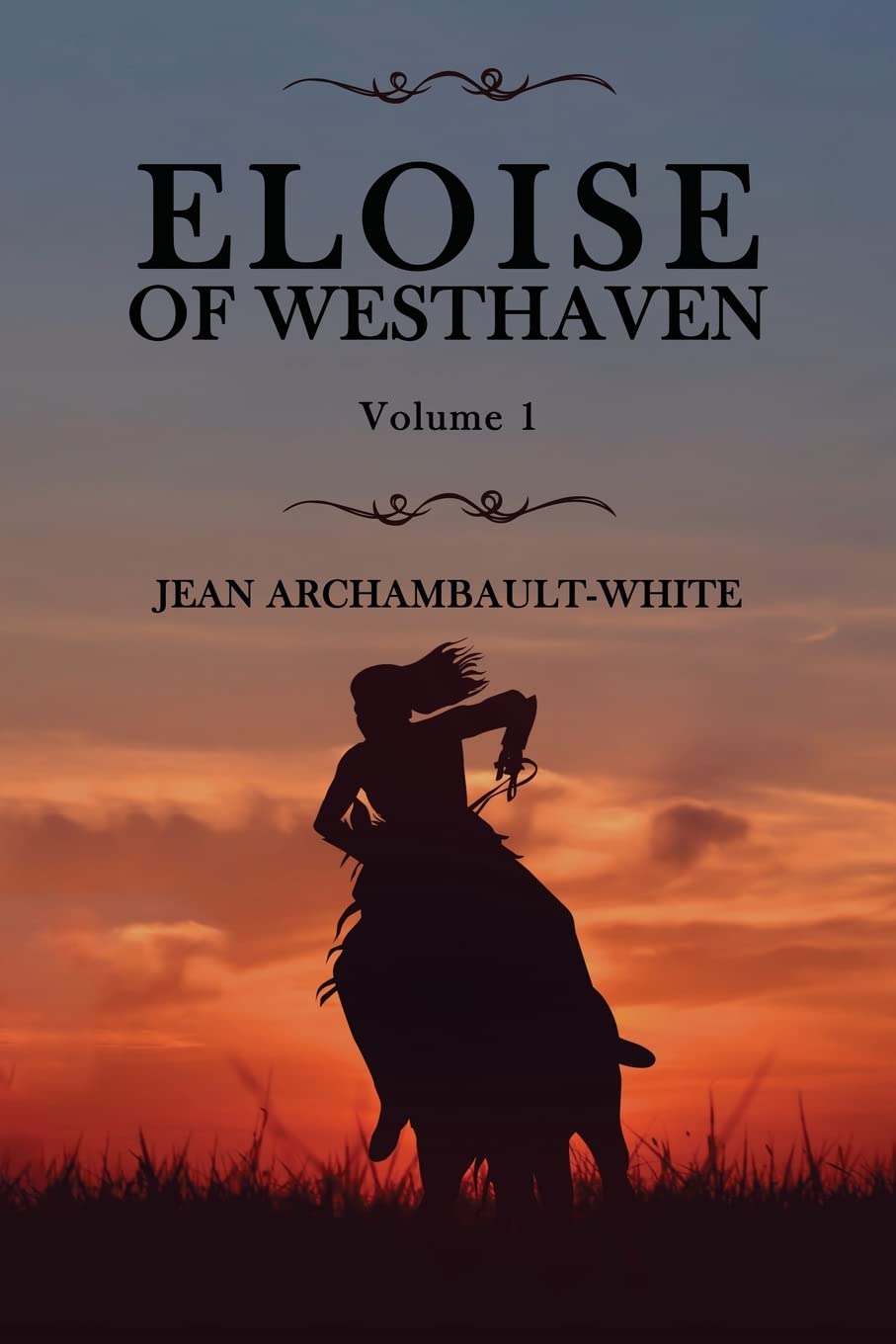
ELOISE OF WESTHAVEN
Volume 1

ELOISE OF WESTHAVEN
Volume 2
What “Psychological Strength” Means in Pioneer Contexts
Before diving in, let’s clarify the term. Psychological strength in these narratives isn’t about being fearless or unflappable—it’s about coping, adapting, and making deliberate choices under pressure. Think of it as a combination of resilience, problem-solving, self-discipline, and emotional regulation.
In Eloise of Westhaven, for instance, we see Eloise navigating a personal crisis: her mother falls gravely ill, and she is forced to act swiftly, thinking through problems, seeking help, and managing her own physical and emotional limitations. Her psychological strength isn’t the absence of fear—it’s her ability to act despite it.
Pioneer literature consistently portrays this duality: the frontier requires both external competence and internal fortitude. Young girls are often depicted learning not just practical skills—like cooking, sewing, or tending animals—but also emotional resilience: how to face death, manage grief, and maintain hope in desolate circumstances.
Why Pioneer Life Cultivated Resilience
Reading firsthand accounts and novels, I realized that pioneer communities structured children’s experiences to naturally foster psychological strength. Life was unforgiving. Survival depended on hard work, vigilance, and cooperation. There were no safety nets. Illness, injury, and even death were ever-present threats.
In Eloise of Westhaven, Eloise’s education extends beyond books. She is trained in practical household and farm skills alongside her brother. The narrative emphasizes that she and Tom “both knew how to cook, how to sew, how to clean things so people wouldn’t take sick from dirt”. This broad-based preparation nurtures confidence, self-efficacy, and a problem-solving mindset.
Historical analyses confirm that frontier children were often expected to shoulder significant responsibilities from a young age. Tasks were divided not by gender alone but by necessity. Skills and learning were intertwined with survival. In effect, the hardships of pioneer life functioned as a rigorous psychological training ground.
Facing Trauma and Grief Head-On
One of the more compelling aspects of pioneer literature is the emphasis on emotional endurance. Unlike modern narratives that often shelter children from grief, pioneer novels show protagonists confronting trauma directly. Eloise’s ordeal with her mother’s illness and eventual death is a poignant example. She experiences terror, despair, and overwhelming sadness—but she also demonstrates remarkable self-regulation and empathy, tending to her mother as best she can, seeking help, and managing her own exhaustion and fear.
What struck me most was how these characters model coping strategies:
- Acknowledgment: They do not suppress fear or sorrow. Eloise cries, panics, and rages internally, which is portrayed as natural rather than shameful.
- Action: Emotional overwhelm is balanced with concrete steps—fetching help, caring for the sick, or maintaining daily routines.
- Community reliance: Psychological strength is complemented by social networks. Even the strongest pioneer characters depend on neighbors, friends, and mentors for guidance, as seen with Mrs. Cravits and Vanessa supporting Eloise.
This layering of internal and external coping mechanisms makes pioneer literature particularly rich in exploring human resilience. It’s not just about enduring hardship; it’s about how one engages with it.
The Role of Self-Education and Observational Learning
Another factor contributing to psychological strength is self-directed learning. In many pioneer novels, formal schooling is sparse. Instead, characters develop through observation, experimentation, and necessity. In Eloise of Westhaven, Eloise’s competence in managing the farm, preparing meals, and caring for the sick derives largely from prior lessons with her family, as well as firsthand problem-solving during crises.
This emphasizes a crucial point: education isn’t only academic. On the frontier, survival was a curriculum. Children internalized lessons through daily life—counting steps while running to fetch help, judging the quality of milk, or improvising solutions for household challenges. These experiences cultivate cognitive flexibility, decision-making under pressure, and emotional endurance—core aspects of psychological strength.
For modern readers, this provides a fascinating insight into experiential learning. Historical fiction like this doesn’t just entertain; it subtly demonstrates that resilience is developed through active engagement with life, not just instruction.
Nature as a Teacher and Test of Character
Frontier narratives frequently use the natural environment as both adversary and instructor. Harsh winters, storms, droughts, and wild animals all serve to test characters’ fortitude. Eloise navigates these challenges with attentiveness and practical intelligence. She quickly assesses risks, organizes help, and takes action, demonstrating both courage and resourcefulness.
This symbiotic relationship with nature is psychologically meaningful. Characters develop situational awareness, patience, and adaptability. They learn to read cues, anticipate problems, and respond creatively. Modern studies in environmental psychology support the idea that immersion in nature and real-world problem-solving enhances resilience, focus, and mental toughness. Pioneer literature captures this in narrative form, showing readers how environmental demands shape the mind and character.
The Interplay of Community and Individual Strength
A recurring theme in pioneer fiction is the delicate balance between self-reliance and interdependence. Eloise’s survival and recovery are possible only because she acts decisively and because her community responds. Neighbors like the Cravits family provide care, practical guidance, and emotional support. Eloise, in turn, contributes her own skills, knowledge, and courage.
This dynamic conveys a timeless lesson: psychological strength isn’t just an individual trait. It’s relational. The frontier’s challenges demand that strength manifests both inwardly and outwardly—through personal resolve and through mutual aid. Young readers gain the dual insight that being strong does not mean being alone, and seeking help is itself a courageous act.
The Human Moment: What Surprised Me Most
As I immersed myself in these stories, I found the subtle emotional realism compelling. Eloise’s grief over losing her mother and siblings is raw and immediate, yet it is paired with practical decision-making, a keen observation of her environment, and a sense of duty to herself and her farm. What surprised me most was how these narratives do not romanticize suffering. They portray strength as something earned, fragile, and tested repeatedly—an achievement rather than a given.
It made me reflect on modern resilience. In today’s world, we often equate strength with perfection or emotional suppression. Pioneer literature reminds us that true psychological strength is messy: it involves vulnerability, reflection, community support, and persistent action under uncertainty. This perspective reshaped how I think about challenges, empathy, and the development of character.

How Readers Can Apply These Lessons Today
Even if you’ll never tend a frontier farm or run through a dusty town for help, there are practical takeaways:
- Cultivate self-directed learning: Like Eloise, look for opportunities to learn from daily experiences, observation, and problem-solving.
- Face grief and stress actively: Allow yourself to acknowledge emotions, but pair that awareness with constructive action.
- Develop adaptable skills: Build flexibility in your routines, habits, and approaches to challenges.
- Engage your community: Strength is reinforced by relationships. Seek support, offer help, and recognize interdependence.
- Observe your environment closely: Whether in nature or daily life, attention to small details fosters awareness and quick decision-making.
These principles aren’t just literary—they’re psychological. Historical fiction offers a lens through which we can understand human growth under pressure and apply it to our own lives.
Five Frequently Asked Questions
1. Why are young girls often the focus of pioneer literature?
Frontier novels frequently center on young girls because they were responsible for much of the household and caregiving work. Their experiences showcase resilience, multitasking, and emotional strength under pressure, which makes for a compelling character study.
2. How does pioneer literature portray grief?
Grief is depicted honestly and immediately. Characters confront death, loss, and illness directly, often balancing sorrow with concrete action, demonstrating the coexistence of emotion and practical responsibility.
3. Is psychological strength the same as physical strength?
No. Physical strength allows characters to perform labor, but psychological strength encompasses decision-making, emotional regulation, and perseverance. Both are necessary for survival, but one cannot substitute for the other.
4. Can lessons from pioneer resilience apply today?
Absolutely. Modern readers can adopt self-directed learning, practical problem-solving, emotional awareness, and community reliance—skills exemplified in pioneer narratives—to navigate personal or professional challenges.
5. How does community affect individual resilience in these stories?
Community provides both emotional and practical support. Characters like Eloise demonstrate that strength is relational: being able to act decisively is enhanced when there are trusted people to guide, assist, and validate efforts.
Conclusion
Pioneer literature offers more than dusty tales of the past. It illuminates a kind of psychological strength forged through hardship, loss, and daily responsibility. Eloise’s story, among others, teaches that resilience is an interplay of self-reliance, learned competence, emotional engagement, and communal support. For readers today, these stories serve as both inspiration and guideposts for cultivating courage, empathy, and adaptability. They remind us that true strength is not just surviving, it’s acting with intelligence, care, and heart, even when the world feels impossibly harsh.
If you’re curious about exploring pioneer resilience further, I recommend looking at narratives that focus on what life was like for young girls in rural frontier towns or how education and self-learning shaped pioneer girls.
Sources & Further Reading
- Archambault-White, Jean. Eloise of Westhaven: Volume 1
- Cather, Willa. O Pioneers!
- Jean White. How frontier girls developed resilience in pioneer life
- David Publisher. Contributions on character development in pioneer literature
- Victorian Psychology Studies. Victorian novels provide timeless psychological insights

0 Comments