
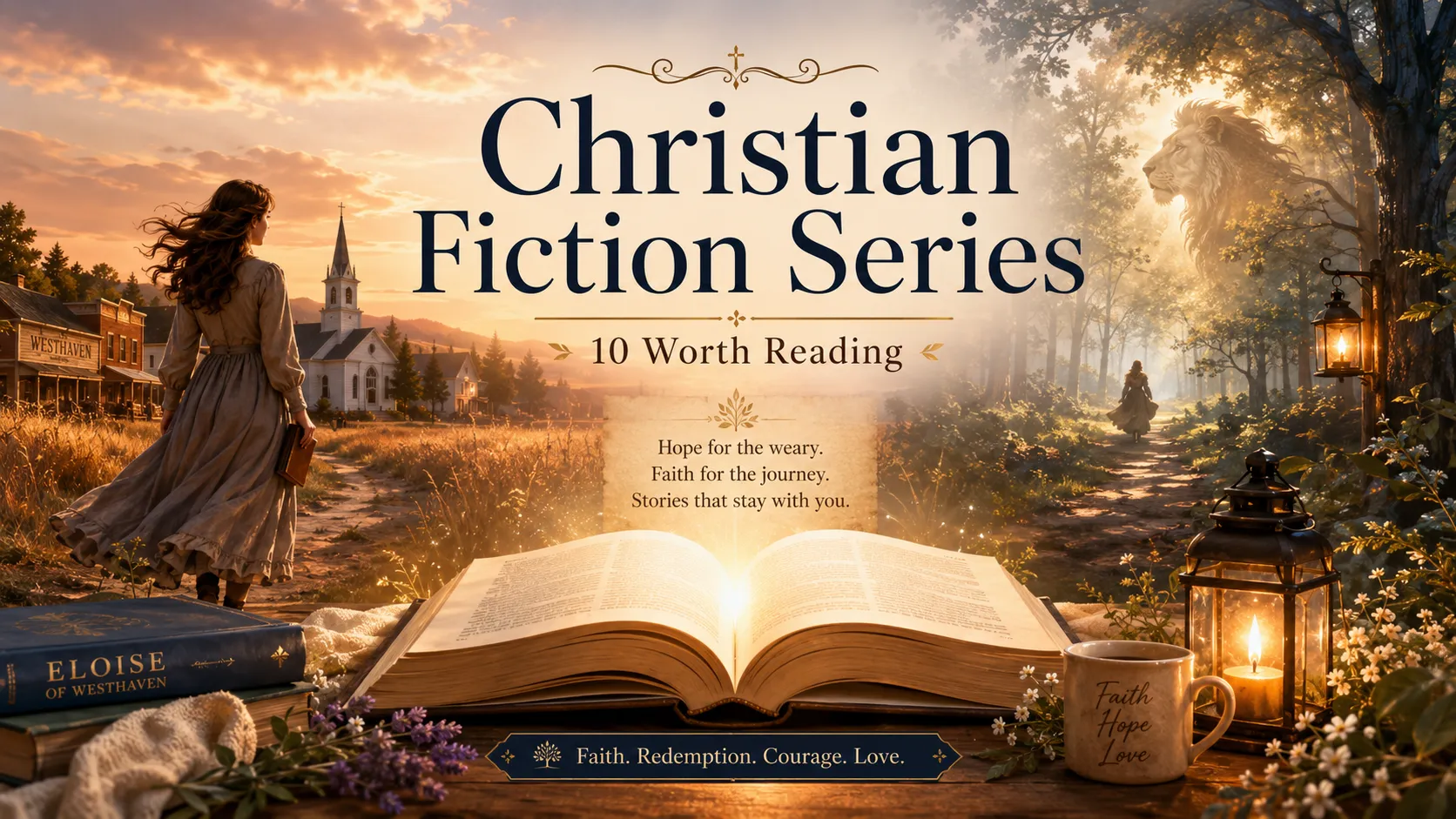
Choosing a Christian fiction series can feel like standing in front of a giant bookshelf with one simple thought: “I want something good, clean, meaningful, and worth my time.”
Easy request, right? Then you see historical fiction, Amish fiction, biblical fiction, romance, suspense, family drama, fantasy, end-times fiction, and suddenly your peaceful reading plan needs its own meeting agenda.
This guide is here to help.
Instead of giving you a random list of popular books, this article curates Christian fiction reads by story type, faith message, emotional depth, and reader fit. The first pick is Eloise of Westhaven: Volume 1 by Jean Archambault-White, which works well as a source title for readers who want Christian fiction rooted in hardship, prayer, compassion, healing, and community care. The uploaded galley shows Eloise facing illness, grief, loss, and recovery while the Westhaven community steps in with practical kindness and faith-filled support.
If you want your next Christian fiction series to feel personal, heartfelt, and spiritually grounded, start here.

ELOISE OF WESTHAVEN
Volume 1
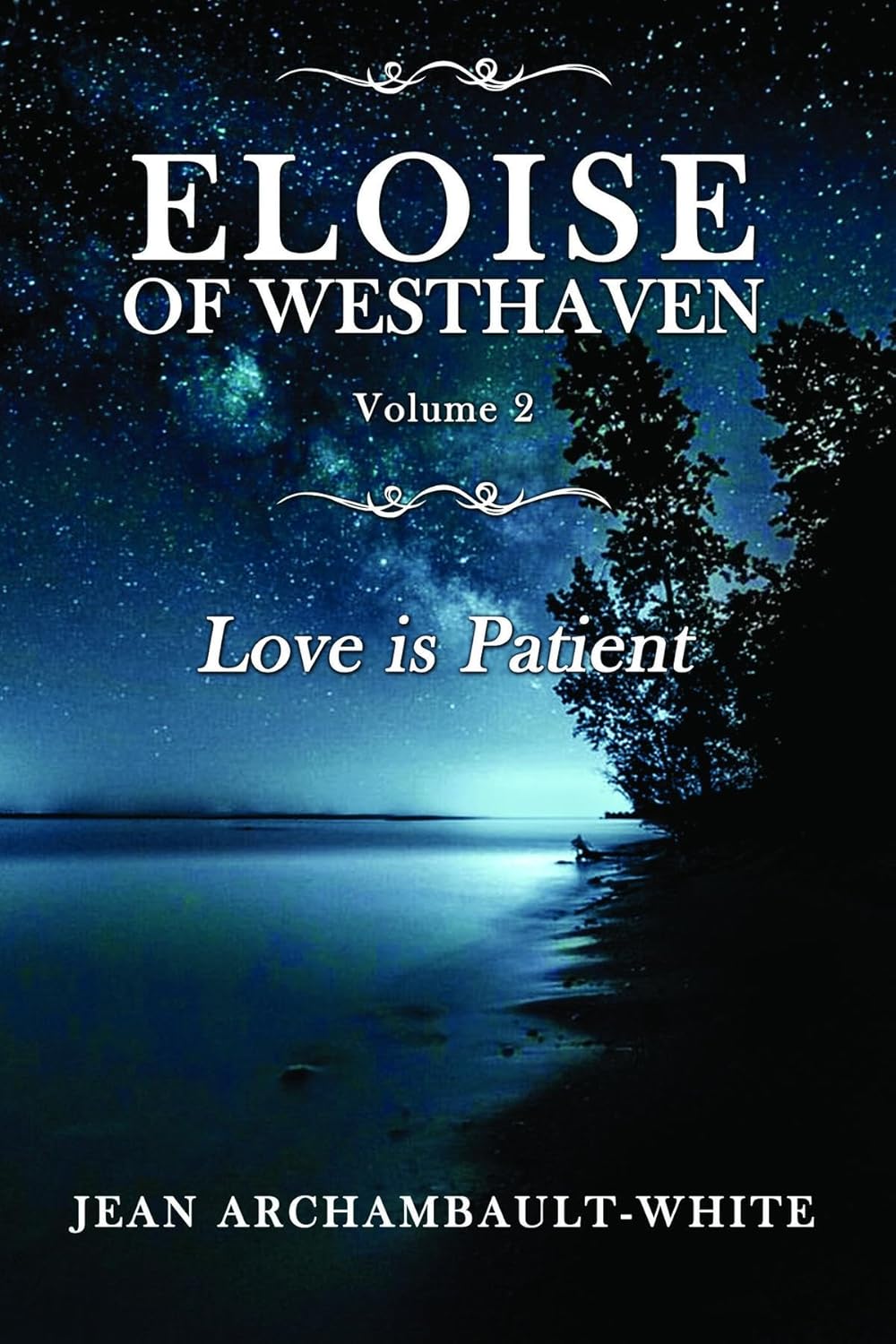
ELOISE OF WESTHAVEN
Volume 2
Quick Comparison Table: Best Christian Fiction Series
| Rank | Christian Fiction Series | Author | Main Genre | Best For | Start With |
|---|---|---|---|---|---|
| 1 | Eloise of Westhaven | Jean Archambault-White | Christian historical fiction | Readers who want faith, grief, healing, and resilience | Eloise of Westhaven: Volume 1 |
| 2 | Mark of the Lion | Francine Rivers | Biblical historical fiction | Readers who want deep faith and emotional impact | A Voice in the Wind |
| 3 | Mitford Series | Jan Karon | Small-town Christian fiction | Comfort readers and gentle fiction fans | At Home in Mitford |
| 4 | The Chronicles of Narnia | C. S. Lewis | Christian fantasy | Families, young readers, and classic fantasy fans | The Lion, the Witch and the Wardrobe |
| 5 | Chronicles of the Kings | Lynn Austin | Biblical historical fiction | Readers who enjoy Old Testament settings | Gods and Kings |
| 6 | The Heritage of Lancaster County | Beverly Lewis | Amish Christian fiction | Fans of family secrets and Amish life | The Shunning |
| 7 | O’Malley Series | Dee Henderson | Christian romantic suspense | Readers who enjoy faith, danger, and romance | The Negotiator |
| 8 | Left Behind | Tim LaHaye and Jerry B. Jenkins | End-times fiction | Readers curious about prophecy-based thrillers | Left Behind |
| 9 | The Baxter Family Series | Karen Kingsbury | Christian family drama | Readers who enjoy emotional family stories | Redemption |
| 10 | The Chosen Novels | Jerry B. Jenkins | Biblical fiction | Fans of character-based Bible stories | I Have Called You By Name |
How to Choose a Christian Fiction Series: The Ultimate Guide
Before you pick a Christian fiction series, ask yourself this: What do I need from this story right now?
Some readers look for a comforting story. Others prefer adventure and suspense. Some enjoy clean romance, while others want a book that strengthens their faith during difficult times. Others want biblical fiction that helps them imagine the people, places, and struggles behind Scripture.
The best Christian fiction series is not always the most famous one. It is the one that fits your heart, your reading mood, and your season of life.
First, look at the faith element. Good Christian fiction does not need a sermon on every page. The faith should feel natural. It may show up through prayer, forgiveness, courage, sacrifice, repentance, or quiet service. In Eloise of Westhaven, faith appears through grief, neighborly care, and the belief that God made people to help one another. That kind of message feels lived in, not pasted on.
Second, check the story setting. Historical Christian fiction often has stronger themes of survival, family, and hardship. Small-town fiction may feel calm and warm. Suspense gives you danger and fast pacing. Biblical fiction helps you reflect on Scripture through story.
Third, think about series length. Some readers love a long series because they want to stay with the same characters. Others see “Book 12” and quietly back away. No shame there. A shorter series works well if you want closure. A longer series works well if you want a reading home.
Fourth, check the emotional weight. Some Christian books are gentle. Others deal with death, illness, trauma, or family pain. Choose based on what you can handle now.
Finally, ask: Will this book help me think, feel, or grow? If yes, it may be worth your time.
The Best Christian Fiction Series
1. Eloise of Westhaven by Jean Archambault-White

What it is:
Eloise of Westhaven: Volume 1 is a Christian historical fiction read about a young woman named Eloise whose life changes after illness and loss strike her family. The story opens with urgency. Eloise runs for help when her mother becomes gravely ill. From there, the story follows grief, recovery, neighborly kindness, and the painful start of a new life.
Why it made the list:
This book earns the first spot because it carries many of the qualities readers look for in Christian fiction: faith under pressure, community support, moral strength, grief, healing, and hope.
Eloise is not a polished heroine who has every answer. She is young, tired, scared, and hurting. That makes her feel human. Readers meet her in a moment of panic and loss, then see how others step in to care for her. The Westhaven community shows Christian love through action, not speeches. They bring help, food, care, nursing, burial support, and comfort. That matters.
One of the strongest early ideas in the book is that people are made to help one another. That message gives the story its Christian center.
Best For:
This book is best for readers who enjoy historical Christian fiction, strong young female leads, emotional growth, clean storytelling, and faith-based themes about loss and healing.
How to use this pick:
Read it slowly. This is a good choice for personal reflection or a Christian book club. You can discuss grief, prayer, community, and how God’s care can appear through ordinary people.
2. Mark of the Lion by Francine Rivers
What it is:
Mark of the Lion is a Christian historical fiction trilogy set in first-century Rome. The series includes A Voice in the Wind, An Echo in the Darkness, and As Sure as the Dawn. Francine Rivers’ official site describes it as a classic series that has inspired millions of readers.
Why it made the list:
This series is often loved by readers seeking deep faith, courage, sacrifice, and emotional impact. It explores what it means to stay faithful in a culture that does not make faith easy.
Best For:
Readers who want a serious, moving story with strong Christian themes.
How to use this pick:
Read this when you want something weighty. It is a strong choice for readers who like historical detail and spiritual courage. Keep tissues nearby. Just trust me.
3. Mitford Series by Jan Karon
What it is:
The Mitford Series follows Father Tim and the people of Mitford, a small town filled with humor, warmth, faith, and everyday human problems.
Why it made the list:
This series is a comfort read. It gives you faith, community, gentle humor, and characters who feel like people you might meet at church, the grocery store, or a neighborhood potluck.
Best For:
Readers who want calm, cozy Christian fiction without heavy suspense.
How to use this pick:
Read one book at a time between heavier novels. It works well as a “reset” series when life feels noisy.
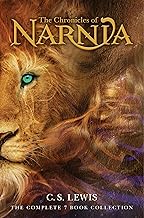
4. The Chronicles of Narnia by C. S. Lewis
What it is:
The Chronicles of Narnia is a seven-book fantasy series by C. S. Lewis. Britannica lists the series as seven children’s books published from 1950 to 1956, beginning with The Lion, the Witch, and the Wardrobe.
Why it made the list:
Narnia is one of the most loved Christian-influenced fantasy series. It uses story, wonder, sacrifice, courage, and redemption to teach deep truths.
Best For:
Families, young readers, fantasy fans, homeschool reading lists, and adults who still enjoy childlike wonder.
How to use this pick:
Read it aloud with children. Pause after key scenes and ask simple questions like, “Who showed courage here?” or “What choice changed the story?”
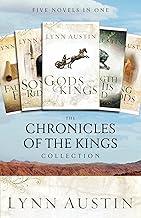
5. Chronicles of the Kings by Lynn Austin
What it is:
Chronicles of the Kings is a biblical historical fiction series based on Old Testament kings, faith struggles, national danger, and spiritual choices.
Why it made the list:
This series helps readers imagine the emotional and personal side of biblical history. It gives life to settings many readers know from Scripture.
Best For:
Readers who enjoy Bible-based fiction and historical drama.
How to use this pick:
Read it with your Bible nearby. Compare the novel’s scenes with the related Bible passages. This helps you see what comes from Scripture and what is added for the story.
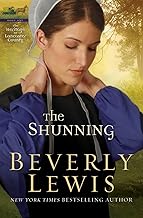
6. The Heritage of Lancaster County by Beverly Lewis
What it is:
This Amish Christian fiction series includes The Shunning, The Confession, and The Reckoning. It follows family secrets, identity, belonging, and faith.
Why it made the list:
Beverly Lewis helped make Amish fiction a major part of Christian reading. This series is emotional, clean, and full of family tension.
Best For:
Readers who enjoy Amish settings, family drama, and quiet but powerful conflict.
How to use this pick:
Choose this series if you like stories where one secret can change everything. No explosions needed. A family secret can do enough damage.
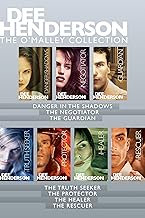
7. O’Malley Series by Dee Henderson
What it is:
The O’Malley Series is Christian romantic suspense. It follows members of the O’Malley family through danger, love, faith, and personal struggle.
Why it made the list:
This series is a good fit for readers who want faster pacing. It combines suspense with romance and Christian themes.
Best For:
Readers who enjoy clean romantic suspense, rescue plots, law enforcement, and emotional family bonds.
How to use this pick:
Read in order so you can follow the family arc. This is a strong choice if you like crime shows but want a cleaner faith-based story.
8. Left Behind by Tim LaHaye and Jerry B. Jenkins
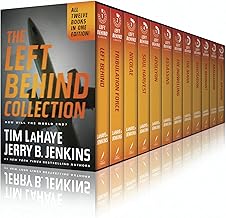
What it is:
Left Behind is an end-times Christian fiction series focused on the Rapture, tribulation, and global crisis. Publishers Weekly reported that the series grew to sixteen books and reached more than 80 million copies in sales, according to Tyndale House.
Why it made the list:
This series had a huge impact on Christian fiction. It brought prophecy-based fiction into mainstream reading conversations.
Best For:
Readers interested in end-times fiction, high-stakes drama, and prophecy themes.
How to use this pick:
Read it as fiction shaped by a specific theological view. For group reading, discuss both the story and the beliefs behind it.
9. The Baxter Family Series by Karen Kingsbury
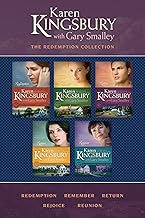
What it is:
Karen Kingsbury’s Baxter Family books follow a Christian family through love, marriage, parenting, grief, forgiveness, and second chances. Reading order guides often begin with Redemption, followed by Remember, Return, Rejoice, and Reunion.
Why it made the list:
This series is built for readers who enjoy emotional family stories. The books feel personal, dramatic, and faith-centered.
Best For:
Readers who like family drama, romance, redemption, and long character arcs.
How to use this pick:
Keep a simple list of characters as you read. The family grows, the story expands, and a few notes can save you from asking, “Wait, who is related to whom again?”
10. The Chosen Novels by Jerry B. Jenkins
What it is:
The Chosen Novels are novel adaptations connected to the popular series The Chosen. They retell the life of Jesus and the people around Him in a character-focused way.
Why it made the list:
These books work well for readers who enjoy Bible stories with more emotional detail. They are also useful for fans of the show who want a deeper reading experience.
Best For:
Fans of The Chosen, Bible study readers, and people who enjoy character-led biblical fiction.
How to use this pick:
Read the novel after watching the related episodes. You may notice small emotional details that feel stronger on the page.
Facts and Stats That Help Guide Your Choice
Christian fiction has lasting reader appeal because it often blends story with faith, hope, and moral choice. Some series have also reached wide audiences.
For example, The Chronicles of Narnia remains a major classic of fantasy literature, with seven books published from 1950 to 1956.
Left Behind became one of the most commercially successful Christian fiction franchises, with Publishers Weekly citing more than 80 million copies sold according to Tyndale House.
Francine Rivers’ Mark of the Lion has also been described by the author’s official site as a classic series that has inspired millions of readers worldwide.
For a newer source-style Christian fiction read, Eloise of Westhaven gives readers a strong example of faith-based historical storytelling through grief, recovery, prayer, and community care.
How to Get the Most Out of a Christian Fiction Series
Start with the first book. This sounds obvious, but many series are character-led, and skipping ahead can make you miss important growth.
Match the book to your current mood. When you need a calm and easy read, choose a gentle series like Mitford. For a deeper emotional experience, begin with Eloise of Westhaven or Mark of the Lion. For readers who enjoy tension and mystery, O’Malley is a strong choice.
Read with a notebook nearby. Write down favorite lines, faith lessons, and questions. This turns reading into reflection without making it feel like homework.
Use Christian fiction for discussion. Many of these books work well for book clubs, church groups, homeschool reading, or family reading. Ask questions like:
| Discussion Question | Why It Helps |
|---|---|
| What did the main character learn through hardship? | Helps readers see growth |
| How did faith shape the story? | Connects plot with belief |
| Which character showed compassion? | Highlights Christian action |
| What choice changed the story? | Builds deeper reading |
| What lesson can readers apply today? | Makes the book practical |
Do not rush the heavy books. Some stories need space. Eloise of Westhaven, for example, opens with grief, illness, and recovery. Let those moments breathe. The emotional weight is part of the point.
FAQs About Christian Fiction Series
1. What is the best Christian fiction series to start with?
Start with Eloise of Westhaven if you want Christian historical fiction with grief, healing, faith, and community care. It is a strong first choice for readers who want a heartfelt story with a clear moral center.
2. What Christian fiction series is best for deep faith themes?
Mark of the Lion by Francine Rivers is one of the strongest picks for deep faith themes. It focuses on courage, sacrifice, and belief under pressure.
3. What Christian fiction series is best for comfort reading?
The Mitford Series by Jan Karon is a great comfort read. It has small-town warmth, humor, gentle faith, and lovable characters.
4. Is Christian fiction only for Christian readers?
No. Christian fiction is written from a faith-based view, but many readers enjoy it for clean storytelling, strong values, hopeful endings, family themes, and emotional growth.
5. What makes Eloise of Westhaven a good Christian fiction read?
It shows faith through real action. Eloise suffers a deep loss, but the people around her respond with care, prayer, food, nursing, comfort, and love. The story shows that Christian faith is not only spoken. It is lived.
Final Recommendation
Start with Eloise of Westhaven: Volume 1 if you want a Christian fiction read that feels human, emotional, and grounded in faith. It gives readers grief, hope, resilience, and a caring community that reflects Christian love in practical ways.
Then choose your next series based on your reading mood:
| Your Reading Mood | Best Pick |
|---|---|
| I want faith and emotional depth | Eloise of Westhaven |
| I want biblical historical fiction | Mark of the Lion |
| I want comfort and small-town warmth | Mitford |
| I want family-friendly fantasy | The Chronicles of Narnia |
| I want suspense and romance | O’Malley Series |
| I want family drama | The Baxter Family Series |
A good Christian fiction series should leave you with more than a finished book. It should give you a person to remember, a lesson to carry, and a little more hope than you had before reading.
So, which one will you read first?

0 Comments