
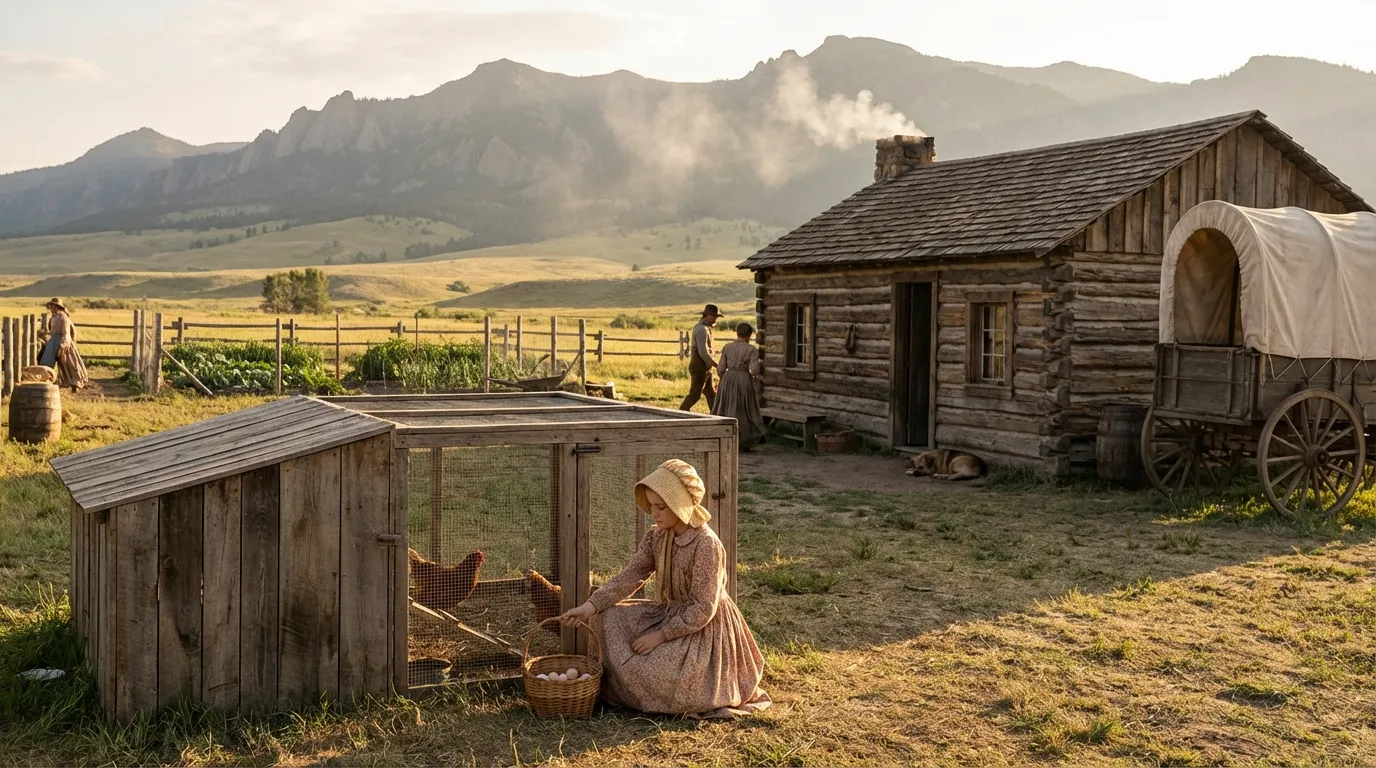
Life for young girls in rural frontier towns was very different from childhood today.
There were no supermarkets, no electricity, and no quick trips to the doctor. Most families lived far from cities, and survival depended on hard work, cooperation, and courage.
Young girls often carried responsibilities far beyond their years. They cooked meals, cared for younger siblings, helped run farms, and supported their families during times of illness or tragedy.
Stories from the American frontier reveal what life was like for young girls in rural frontier towns, showing how they developed strength, independence, and resilience. One example appears in this historical novel, where a young pioneer girl must rebuild her life after a devastating loss while learning to depend on faith, community, and determination.
Understanding these experiences helps explain how frontier life shaped generations of strong, capable women.

ELOISE OF WESTHAVEN
Volume 1

ELOISE OF WESTHAVEN
Volume 2
Growing Up Fast on the Frontier
Frontier life demanded maturity.
Children were expected to help with daily survival tasks, and girls often began learning household skills at a very young age.
By the age of ten or twelve, many girls could:
- Cook meals over a wood stove
- Sew clothing and repair garments
- Care for babies and younger siblings
- Preserve food for winter
- Gather eggs and feed animals
Parents believed these lessons prepared children for adulthood.
Unlike modern childhood, frontier life did not separate children from responsibility. Instead, learning practical skills was considered part of education.
A Typical Day for a Frontier Girl
Daily life followed a steady rhythm tied to the land and seasons.
Morning Chores
Most girls woke up before sunrise.
Morning tasks often included:
- Lighting the stove
- Fetching water from the well
- Feeding chickens or livestock
- Gathering eggs
- Helping prepare breakfast
Breakfast itself could require hours of preparation since everything had to be cooked from scratch.
Midday Responsibilities
After morning chores, girls continued helping their families throughout the day.
They often worked in the garden or assisted with food preparation.
Common tasks included:
- Picking vegetables
- Shelling beans or corn
- Churning butter
- Sewing clothes
- Cleaning the house
During harvest seasons, work increased even more.
Evening Work
Evenings were calmer but still busy.
Girls helped:
- Wash dishes by hand
- Repair clothing
- Prepare supplies for the next day
When the work was finished, families gathered for reading, storytelling, or prayer.
These quiet moments strengthened family bonds.
The Reality of Hardship
Life on the frontier could be harsh.
Families faced many dangers:
- Disease and fever
- Farming accidents
- Harsh weather
- Isolation from medical help
Many children experienced loss at a young age.
In frontier stories and historical accounts, it was not unusual for young girls to face the death of parents or siblings while still teenagers. One pioneer heroine loses nearly her entire family before she must find a new place in a small frontier town.
Experiences like these forced girls to grow emotionally strong.
They learned resilience because survival depended on it.
The Importance of Community
Although frontier towns were small and often isolated, they were rarely lonely.
Neighbors supported each other.
When someone became sick or injured, community members stepped in to help.
They might:
- Bring food and supplies
- Assist with farming chores
- Care for children
- Provide medical knowledge
- Help organize funerals or burials
Frontier communities understood that survival required cooperation.
People helped each other not out of obligation but because everyone depended on mutual support.
This sense of shared responsibility built strong relationships within small towns.
Education on the Frontier
Education existed, but it looked very different from modern schooling.
Some towns had small one-room schoolhouses where children of many ages studied together.
Other children were taught at home.
Girls often learned subjects like:
- Reading
- Writing
- Arithmetic
- Geography
- History
But practical education was just as important.
Girls were taught life skills such as cooking, sewing, gardening, and caring for animals.
These abilities ensured they could manage homes and support families in difficult conditions.
Skills Frontier Girls Learned Early
Many girls developed remarkable practical knowledge.
By their teenage years, they could:
- Prepare full meals for a family
- Preserve fruits and vegetables
- Treat minor illnesses with herbal remedies
- Sew and mend clothing
- Manage household supplies
This combination of knowledge and responsibility helped many young women succeed later in life.
Stories set in frontier towns often show how girls used these abilities to rebuild their lives and help others, just as the heroine of Eloise of Westhaven does after losing everything she once knew.
Strength and Resilience in Frontier Girls
Hardship shaped character.
Girls growing up in frontier communities developed traits that stayed with them throughout their lives.
These included:
Independence
They learned to solve problems without relying on outside help.
Responsibility
Daily chores and caregiving built strong habits of duty.
Courage
Facing illness, poverty, and danger required bravery.
Compassion
Helping neighbors and family members created empathy.
Many historians believe these qualities helped frontier women become leaders in their communities.
For a deeper exploration of this topic, you can also read How Frontier Girls Developed Resilience in Pioneer Life, which examines how adversity shaped their emotional strength and determination.
Moments of Joy in Frontier Childhood
Despite the challenges, childhood on the frontier was not without happiness.
Girls found joy in simple activities.
Common pastimes included:
- Climbing trees
- Playing with homemade dolls
- Exploring forests and rivers
- Listening to stories
- Singing with family
Without modern toys or technology, children relied on imagination.
Even chores could become playful competitions between siblings.
These moments helped balance the hard realities of frontier life.
How Frontier Life Shaped Identity
Growing up on the frontier shaped how young girls viewed themselves and the world.
They learned that life required:
- Hard work
- Faith
- Responsibility
- Cooperation
These lessons influenced their decisions as adults.
Many frontier girls later became teachers, nurses, farmers, and community leaders.
Their experiences created a generation of women known for strength and perseverance.
Stories like those found in Jean Archambault-White’s works often highlight how young women transformed hardship into purpose and leadership in frontier communities.
Why Frontier Stories Still Matter Today
Frontier history offers lessons that remain valuable today.
Modern life is very different, but the principles remain timeless.
From pioneer girls, we can learn:
- Responsibility builds confidence
- Hard work strengthens character
- Community support creates resilience
- Compassion builds strong relationships
These values shaped entire communities across the American frontier.
They also remind us how ordinary people can overcome extraordinary challenges.
FAQs
What chores did girls do on the frontier?
Girls often cooked meals, cared for younger children, cleaned homes, gathered eggs, worked in gardens, and helped preserve food for winter.
Did frontier girls go to school?
Yes. Some attended one-room schoolhouses, while others learned at home from parents or traveling teachers.
How young did frontier girls start working?
Many began helping with chores around age five or six. By their early teens, they could manage many household responsibilities independently.
Was frontier life dangerous for children?
Yes. Disease, accidents, and isolation made life risky. Medical care was often many miles away.
Did frontier girls have time to play?
Yes. Children found ways to play through storytelling, outdoor exploration, and creative games.
Conclusion
Young girls in rural frontier towns lived lives filled with responsibility, resilience, and courage.
They worked hard, cared deeply for their families, and helped build communities that depended on cooperation and faith.
Although their childhood looked very different from today, the values they developed remain powerful lessons.
Strength, kindness, and perseverance were not simply ideas. They were daily practices that shaped lives and communities across the frontier.
Stories of pioneer girls continue to inspire readers today. To follow Eloise’s journey as she grows stronger in faith, patience, and compassion, readers can continue her story in Eloise of Westhaven: Love Is Patient, where her life in the frontier town of Westhaven unfolds with new challenges and heartfelt lessons.

0 Comments