


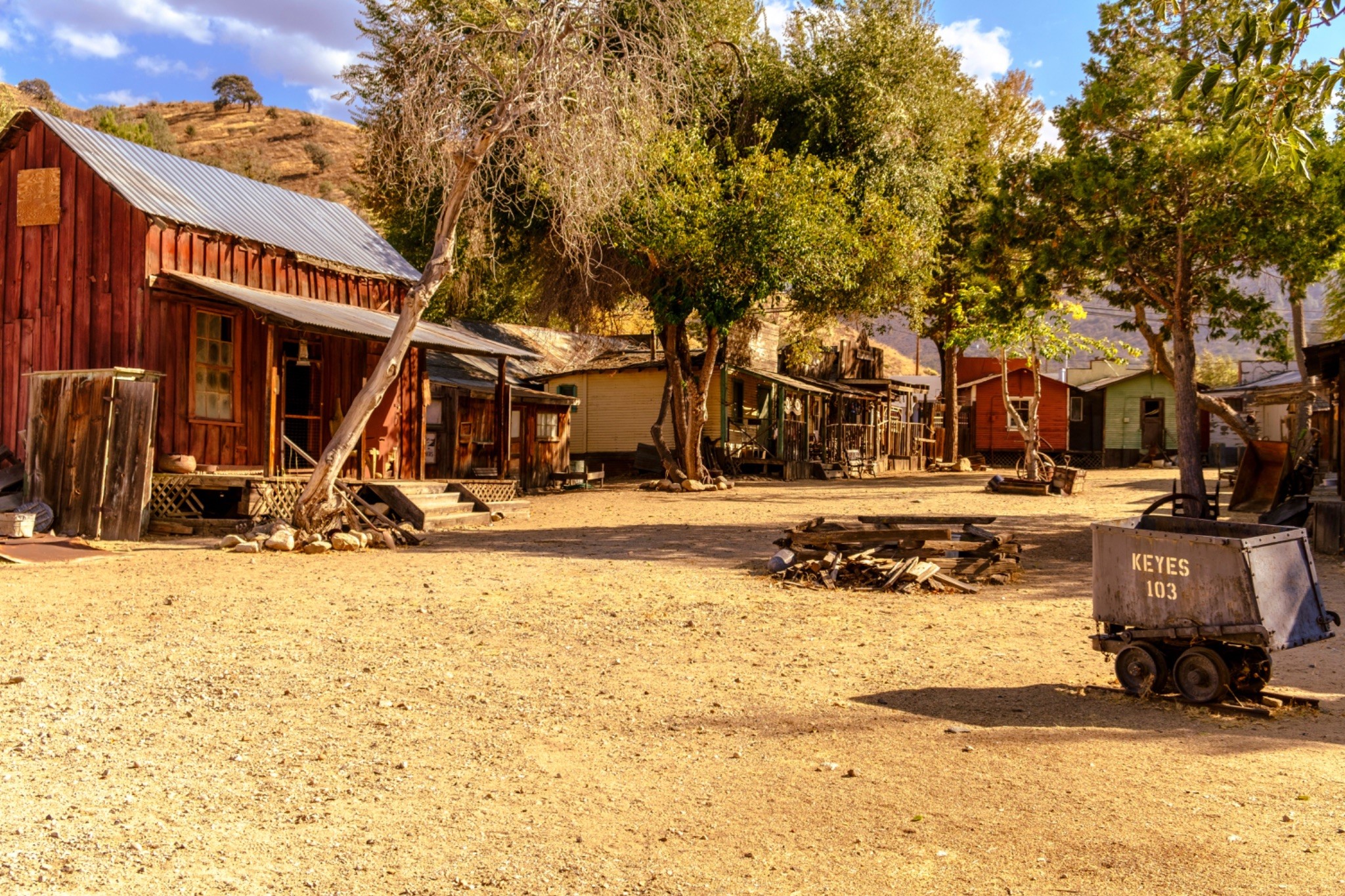
Photo by Drei Kubik
Frontier towns shaped the American identity in ways you might not realize.
These settlements pushed westward into uncharted territory, transforming wilderness into thriving communities. What started as rough trading posts and military outposts evolved into centers of commerce, culture, and governance that still influence your daily life today. Understanding how frontier towns emerged and developed reveals how a nation built itself from the ground up, one settlement at a time.
Resilience and Faith in Hard Times
The story of these frontier towns is also deeply connected to personal resilience and values. Just as settlers faced hardship and uncertainty, we all encounter challenges that test our character. For many frontier families, maintaining their way of strengthening their faith in God became essential during the toughest times. They built churches, schools, and gathering places where communities reinforced shared values while adapting to frontier life with determination and hope. This spiritual grounding helped them persist through isolation, hardship, and constant danger.
How Frontier Towns Got Started
Frontier towns grew through a mix of careful planning and unexpected opportunity. Some began because entrepreneurs spotted a chance to build a business. Others formed around military forts that protected trade routes and expanding settlements. Farmers searched for fertile land, while merchants followed the promise of profit. People arrived for different reasons, but together they built communities that shaped the American frontier.
Building on Geographic Advantage
Frontier towns did not appear overnight. Traders, trappers, settlers, and business owners pushed west in search of new opportunities. They settled in places that offered natural advantages, such as rivers, mountain passes, and busy trade routes.
These locations made daily life easier and helped communities grow. Rivers provided fresh water and transportation. Forests supplied timber, while nearby mountains and valleys offered valuable resources. Travelers moving farther west often stopped in these settlements to rest, trade, and gather supplies. Over time, many small outposts developed into thriving frontier towns.
The Economic Engine of Westward Expansion
Frontier towns became the backbone of westward expansion. They supplied pioneers with food, tools, wagons, and livestock before they continued their journey. Merchants bought furs, timber, minerals, and other resources from nearby areas, then sold manufactured goods brought from eastern cities.
As the population grew, new businesses opened. Blacksmiths repaired equipment. Carpenters built homes and barns. Shopkeepers stocked everyday necessities, while boarding houses and saloons welcomed travelers. These growing businesses connected remote settlements with larger markets, helping frontier towns become important centers of trade across the expanding nation.
A Diverse and Multicultural Society
Life on the frontier brought together people from many backgrounds. Immigrants from Europe lived alongside Native Americans, former soldiers, traders, and families seeking a fresh start. While their cultures and traditions differed, survival often depended on cooperation.
Social class mattered less than it did in established eastern cities. A skilled carpenter could earn respect through hard work. A merchant might build a successful business regardless of family background. Women also found opportunities to own property, manage businesses, and contribute to their communities. On the frontier, practical skills often mattered more than social status.
Self-Government and Democratic Traditions
As settlements expanded, residents created their own systems of government. They held town meetings, elected local leaders, and established courts to settle disputes. Since help from distant government offices could take weeks or even months to arrive, communities learned to solve problems on their own.
This spirit of independence became one of the lasting influences of frontier towns. The habits of local decision-making and shared responsibility helped shape the democratic traditions that continue in the United States today.
The Birthplace of American Culture

Photo by Eddie O.
Frontier towns were more than trading centers. They also became places where new American traditions took root.
Settlers carried music, recipes, stories, and customs from their homelands. These blended with Native American knowledge and the realities of frontier life to create something entirely new. Folk songs told stories of survival and adventure. Local ingredients inspired new recipes. Clothing became more practical for harsh weather and demanding work. Homes evolved from eastern designs into sturdy buildings that offered warmth, protection, and defense when needed.
The Decline and Lasting Legacy
Many frontier towns eventually declined as transportation and settlement patterns changed. Railroads replaced river travel, making some communities less important. Gold and silver discoveries drew people farther west, while new farming regions shifted population centers. Some frontier towns grew into major cities, while others slowly became ghost towns.
Even so, their influence never disappeared.
Many of today’s cities, including Denver, San Francisco, Seattle, and Kansas City, began as frontier settlements. The schools, churches, courthouses, and newspapers established in these early communities laid the foundation for civic life across America.
Frontier towns also shaped American laws. Local systems for settling disputes, recording land claims, and protecting property became models for state and federal governments. Rules covering homesteads, water rights, mineral rights, and land ownership all grew from the challenges faced in these early settlements. Many of those legal principles still exist today.
Learning how frontier towns developed offers a deeper understanding of the American character. Building communities in unfamiliar territory required determination, cooperation, and resourcefulness. People from different backgrounds worked together because they had to. Their willingness to solve problems, adapt to change, and govern themselves helped define the nation that followed.
Read and Know More About It…
To learn more about this remarkable period, explore the Smithsonian Institution’s American History collections at si.edu, where you’ll find photographs, artifacts, and records of frontier life. The Library of Congress at loc.gov also offers digitized maps, journals, letters, and historical documents that reveal what daily life was like in these growing communities.
The story of frontier towns is ultimately a story of resilience. Families rebuilt their lives in unfamiliar places, overcame hardship, and created communities where none had existed before. That same spirit comes to life in Eloise of Westhaven by Jean Archambault-White.
Through Eloise’s journey after losing everything she once knew, readers experience the hope, courage, and determination that defined frontier life. As she searches for safety and belonging in a new settlement, she faces dangers that test her strength and faith. Her story captures the heart of the frontier, showing how ordinary people transformed untamed land into thriving communities through perseverance, compassion, and unwavering resolve.

0 Comments