



Photo by Pixabay
Let’s be honest for a moment. The question of how to have faith in God usually doesn’t show up when everything is smooth and predictable. It tends to surface when life throws a curveball.
Plans fall apart, and opportunities disappear. The future that once looked clear suddenly feels… foggy. And somewhere in that uncertainty, a quiet question starts forming in the back of your mind: What does faith even look like right now?
Interestingly, the Bible never acts like uncertainty is strange. Actually, it’s almost the opposite. Page after page, you’ll see people navigating confusion, delays, and unexpected turns. And yet, one theme keeps repeating itself: faith often grows strongest when life feels the most uncertain.
For many people, discovering how to have faith in God becomes deeply personal during those disruptions. Maybe a job ends unexpectedly. Maybe a relationship breaks down. Maybe one phone call changes everything.
Suddenly, faith isn’t just a topic discussed in church or books. It becomes something lived daily, sometimes moment by moment.
Proverbs 3:5–6 speaks right into that tension:
“Trust in the Lord with all your heart and lean not on your own understanding.”
Look closely, and you’ll catch something subtle here. The verse isn’t offering instant explanations or quick answers. Instead, what it really promises is direction.
When Certainty Disappears, Faith Begins to Work
Most people—well, honestly, all of us—prefer stability.
Clear plans, predictable outcomes, or a sense that things are under control.
But faith rarely develops in those comfortable spaces. It usually shows up in the questions.
The apostle Paul once wrote, “For we live by faith, not by sight” (2 Corinthians 5:7). At first glance, it sounds poetic, maybe even abstract. But if you think about it, the meaning is surprisingly practical.
Sight focuses on what’s right in front of us. Faith stretches beyond what we can currently see.
That shift matters when learning how to have faith in God. Faith doesn’t remove uncertainty. Instead, it changes how we walk through it.
And during seasons of faith in hard times, that shift becomes very real. Belief stops being theoretical. It becomes something you live out.
Scripture Is Full of Uncertain Journeys
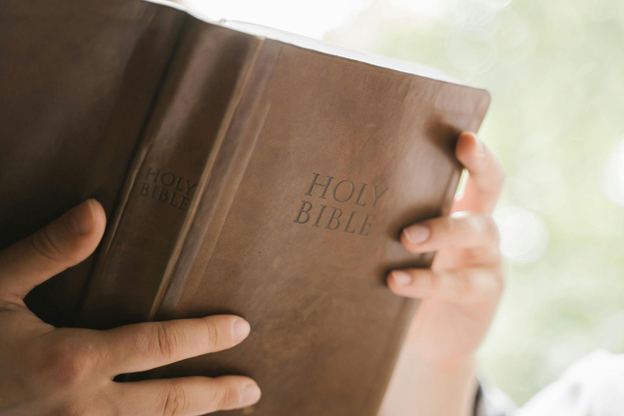
Sometimes people picture biblical figures as these flawless heroes who never doubted anything. But if you read their stories closely… well, that picture changes pretty quickly.
Abraham left his home without knowing where he was going. Moses wondered if he was even capable of leading anyone. David filled entire psalms with raw emotion and honest questions.
Even Jesus’ disciples struggled to understand what was happening around them.
All of those stories quietly teach something important about how to have faith in God. Faith isn’t flawless certainty.
It’s choosing to keep moving toward God—even when clarity takes time.
Psalm 56:3 captures that beautifully:
“When I am afraid, I put my trust in you.”
Did you notice the order there?
Fear shows up first. Trust follows.
The Bible doesn’t pretend fear disappears. It simply shows us where to bring it.
Faith Often Grows Through Small Habits
Some people imagine faith showing up in these big, dramatic spiritual moments—like lightning striking the soul. And yes, sometimes it really does happen that way.
But more often than not, faith doesn’t arrive with a bang. It settles in slowly. Quietly. Almost unnoticed, at first.
Little habits begin shaping belief over time:
- Reading Scripture regularly
- Talking honestly with God through prayer
- Remembering moments when guidance appeared before
- Spending time with people whose faith encourages your own
None of these actions seems huge on its own. But together, they slowly change the way we see things.
This is where many people start finding practical answers for how to have faith in God.
Think of it like physical training. Strength doesn’t show up overnight. It grows through repetition, patience, and consistency. Faith works much the same way.
Doubt Doesn’t Automatically Destroy Faith
Here’s something many believers eventually realize: doubt doesn’t always weaken faith. Sometimes it deepens it.
Take Thomas, one of Jesus’ disciples. When he heard about the resurrection, he struggled to believe it (John 20:24–29). Because of that moment, he’s often remembered as “Doubting Thomas.”
But Jesus didn’t reject him.
Instead, He invited Thomas to see the truth for himself.
That moment reveals something powerful about how to have faith in God. Honest questions don’t push God away. In many cases, they lead people closer to understanding.
Think of doubt like friction in a machine. It shows where attention is needed. When those questions are explored sincerely, belief often grows stronger—not weaker.
Waiting Is Often the Hardest Part
For many believers, the biggest challenge isn’t believing God exists.
It’s waiting.
Prayer can feel quiet. Progress can feel slow. Answers sometimes take longer than expected.
Yet Scripture constantly connects faith with patience. Isaiah 40:31 says, “Those who hope in the Lord will renew their strength.”
Learning how to have faith in God often means accepting that God’s timing doesn’t always match ours.
Farmers understand this well. Seeds planted today don’t produce crops tomorrow. Growth begins underground—hidden.
Only later does it become visible.
Faith often follows that same pattern.
Trust Appears in Everyday Decisions
Faith is often described in grand language, but in everyday life, it usually shows up through simple decisions. Someone chooses honesty when dishonesty would be easier, a family prays together during a stressful week, or a person decides to forgive instead of holding onto resentment.
These small moments quietly show trusting God in hardship. They may seem ordinary from the outside, yet over time, they shape the heart, and through these everyday choices, learning how to have faith in God becomes something real and tangible.
Remembering Past Faithfulness Strengthens Present Faith
The Bible often tells people to remember.
After the Israelites crossed the Jordan River, they built memorial stones (Joshua 4). Those stones were reminders of what God had done.
The same idea still works today.
Some people keep prayer journals. Others reflect on moments when help appeared unexpectedly. Even simple memories of past guidance can strengthen belief.
Those memories become evidence that God has been present before. And that evidence often renews confidence in how to have faith in God when uncertainty shows up again.
Faith Was Never Meant to Be Lived Alone
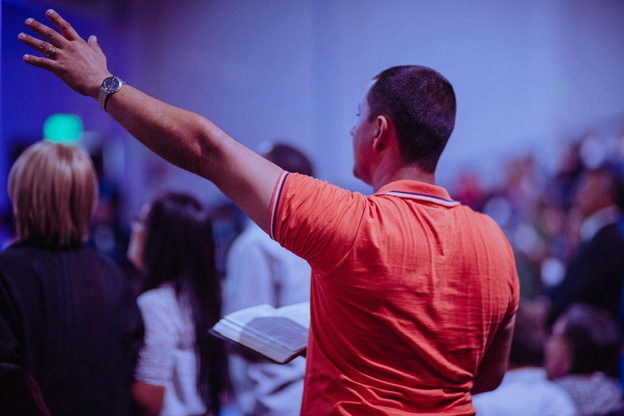
Another important truth is that faith grows stronger in community.
The early church gathered regularly to pray, learn, and encourage one another (Acts 2:42). That shared life helped sustain them through difficult times.
The same principle still matters today.
Conversations with trusted believers, church gatherings, and shared prayer can make a huge difference when doubts appear. The community often plays a major role in learning how to have faith in God.
Sometimes wisdom travels through relationships.
Scripture as a Steady Anchor: How to Have Faith in God
The Bible does more than tell ancient stories. It offers guidance when life feels unstable.
Psalm 119:105 describes Scripture as “a lamp to my feet and a light to my path.”
Think about that image for a second.
A lamp doesn’t light up the entire road. It simply reveals the next few steps.
Many people discover deeper answers to how to have faith in God simply by returning to Scripture during confusing seasons. Over time, truth begins reshaping perspective. Fear slowly loosens its grip when hope becomes familiar again.
How to Have Faith in God: Stories of Perseverance Reflect Real Faith
Sometimes the clearest picture of faith comes through stories.
Stories allow us to see belief surviving real struggles—loss, fear, responsibility, and unexpected trials.
Jean Archambault-White’s novel Eloise of Westhaven tells one such story.
The novel follows Eloise Jackson, a young woman who loses nearly everything—her family, her home, and the security she once knew. Forced to leave the farm she loved, Eloise eventually finds refuge with the Cravits family and begins rebuilding her life.
But peace doesn’t come easily.
Just when things begin to stabilize, she uncovers a dangerous secret involving a gang of outlaws—one that threatens everything she’s worked to rebuild.
Her journey reflects a question many people quietly carry: how to have faith in God when life refuses to cooperate.
For readers interested in stories about resilience, endurance, and belief, Eloise of Westhaven offers a compelling reminder: hardship doesn’t erase purpose.
Sometimes, it reveals it.

0 Comments