

Imagine being young, alone, and forced to choose between what is right and what keeps you alive.
That is the reality for many girls in frontier historical fiction.
These stories are not just about dusty trails or one‑room cabins. They are about hard choices made under extreme pressure. A girl may lie to protect her family, work beyond her physical limits, or decide between staying loyal to someone she loves and staying safe.
One powerful example appears early in Eloise of Westhaven, where a young girl runs desperately for help as her mother lies gravely ill. She carries fear, urgency, and responsibility far beyond her age. This moment reveals a key truth: frontier life forces moral decisions quickly, often without any adult guidance.
Let’s explore the most important dilemmas these young characters face, and what they reveal about human behavior.
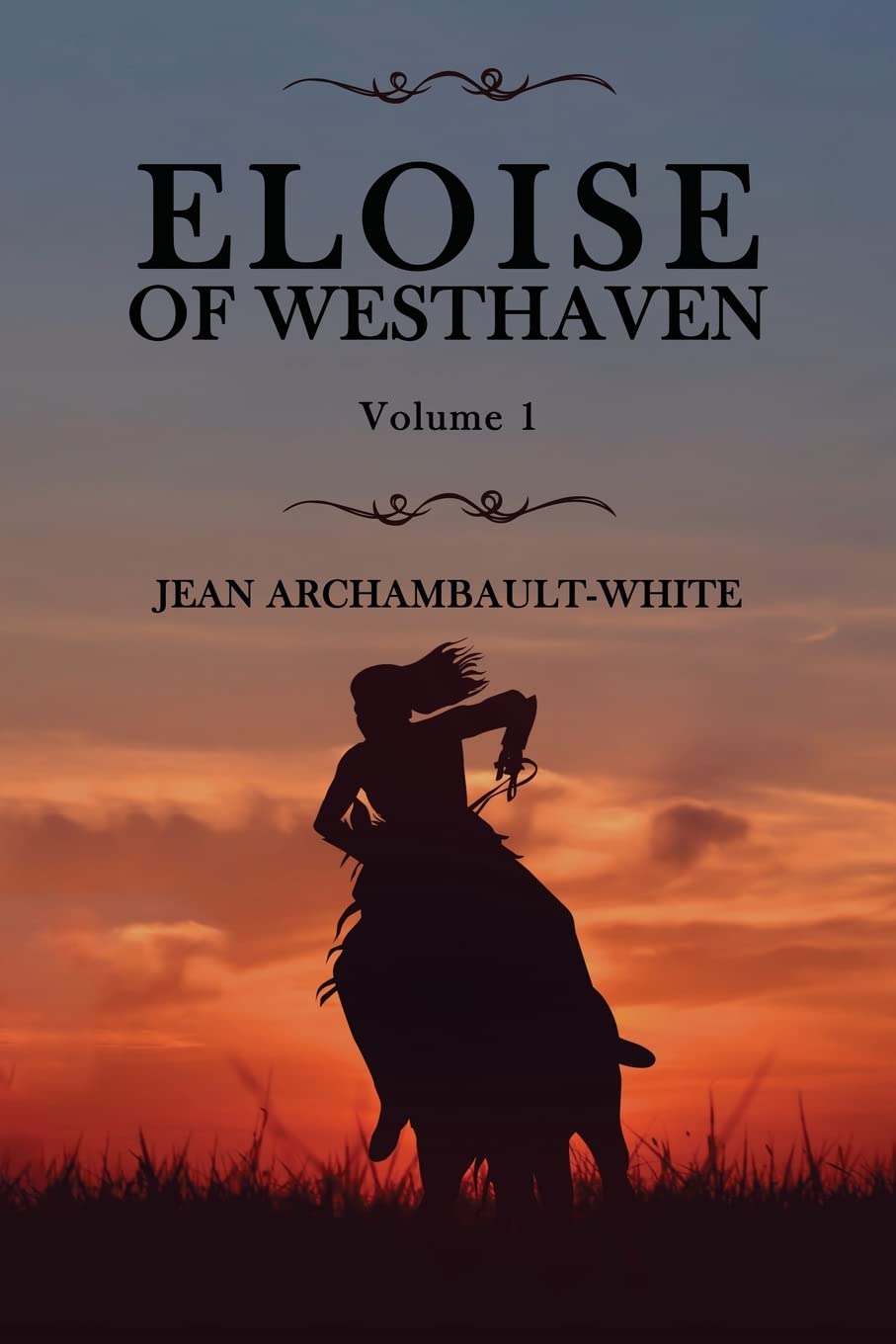
ELOISE OF WESTHAVEN
Volume 1
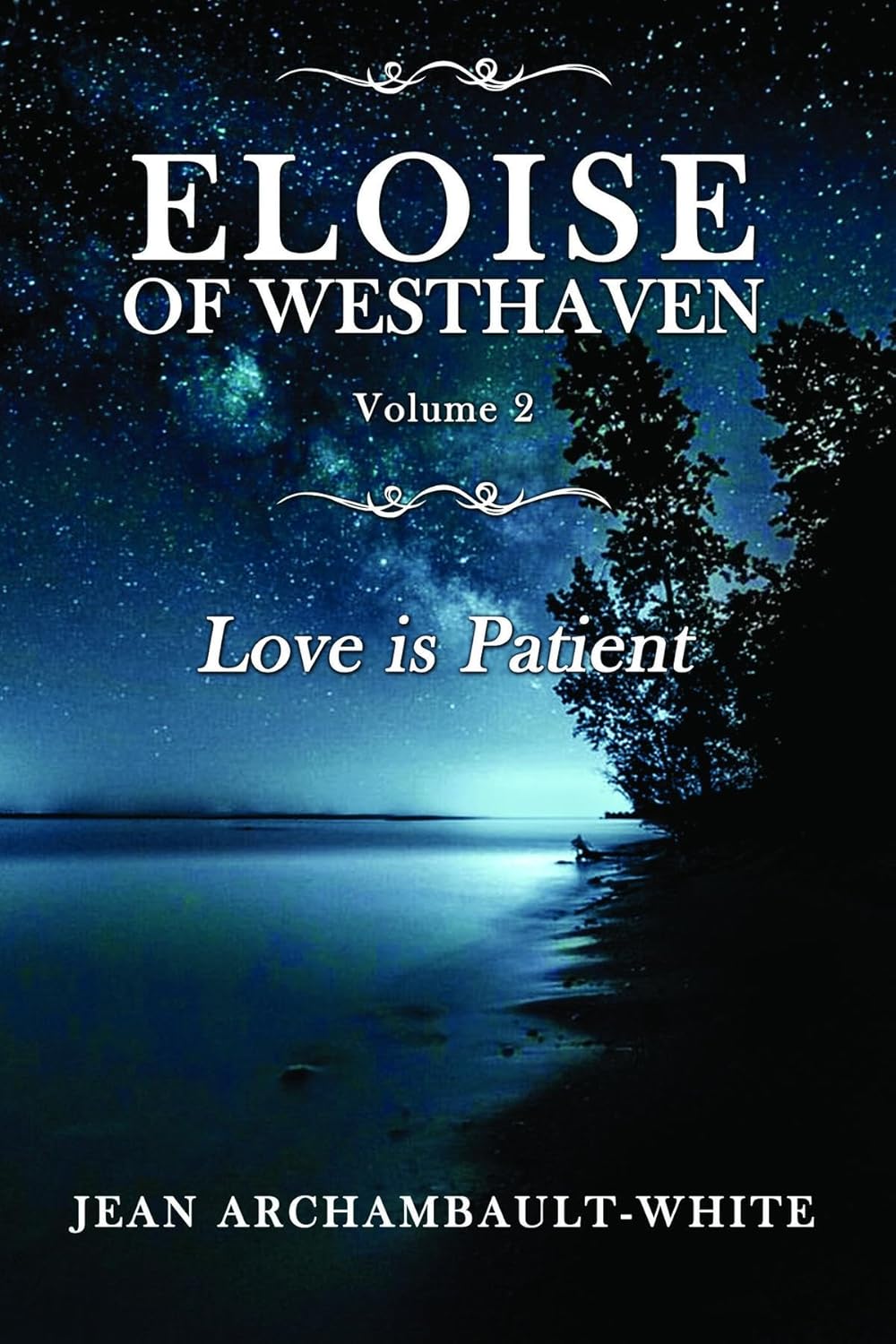
ELOISE OF WESTHAVEN
Volume 2
The Core Moral Conflicts in Frontier Stories
1. Survival vs. Moral Values
The dilemma:
Do you do what is right, or what keeps you alive?
Young girls often face situations like:
- Taking food that isn’t theirs
- Lying to avoid danger
- Breaking rules to protect loved ones
Example scenario:
A girl steals medicine to save her dying parent. Is it wrong? Or is it necessary?
Key insight:
Survival pressure weakens clear moral lines. Decisions become situational, not absolute. In frontier settings, there is rarely a “third option.”
2. Loyalty vs. Truth
The dilemma:
Do you protect someone you love, even if they are wrong?
Girls in frontier settings often:
- Cover for family mistakes
- Stay silent to avoid community backlash
- Hide painful truths (e.g., a father’s drinking or a brother’s theft)
Why this matters:
Truth can bring justice—but also loss, rejection, or physical danger.
Emotional impact:
This creates deep internal tension:
- Guilt vs. love
- Honesty vs. belonging
3. Independence vs. Dependence
The dilemma:
Do you rely on others, or stand entirely alone?
Frontier life pushes young girls to grow up fast:
- Running farms while parents are sick
- Caring for younger siblings
- Making adult decisions about food, safety, and strangers
In Eloise of Westhaven, the main character begins to realize she must survive on her own after repeated losses. She questions whether she can trust anyone—or if she even should.
Key struggle:
- Trusting others vs. protecting oneself
- Asking for help vs. proving strength
4. Obedience vs. Personal Judgment
The dilemma:
Do you follow rules, or trust your own instincts?
Many girls are taught to obey:
- Parents
- Community leaders (pastors, teachers, elders)
- Social expectations (e.g., “girls should be seen, not heard”)
But what happens when those rules fail?
Example:
A girl ignores her father’s order to stay inside and instead runs to warn a neighbor about an approaching wildfire. She saves lives—but faces punishment.
Growth moment:
This is where a child begins to form independent moral thinking. It’s often painful but essential.
5. Hope vs. Reality
The dilemma:
Do you hold on to hope, or accept a harsh truth?
Frontier life brings frequent:
- Death
- Illness
- Abandonment or loss of family
In Eloise of Westhaven, Eloise faces repeated loss and must confront that life will never return to what it was.
Internal battle:
- Denial vs. acceptance
- Emotional survival vs. facing painful truth
How These Dilemmas Shape Growth (A 5‑Stage Model)
| Stage | Description | Example |
|---|---|---|
| 1. Emotional Shock | The girl reacts with fear, panic, or confusion. Decisions are driven by urgency, not logic. | A girl hides food from a starving stranger, then feeling guilty. |
| 2. Inner Conflict | She wrestles with “What should I do?” and “What if I choose wrong?” This builds self‑awareness. | A girl hides food from a starving stranger, then feels guilty. |
| 3. Decision Under Pressure | The choice is made—often imperfect, often painful, but necessary. | Stealing, lying, or leaving someone behind. |
| 4. Consequences | Every decision brings loss, relief, regret, or growth. This is where true learning happens. | Gaining survival but losing innocence. |
| 5. Identity Formation | Over time, the girl becomes stronger, more independent, and more aware of right and wrong. She is no longer just reacting—she is choosing who she becomes. | A once‑timid girl becomes a decisive young woman. |
Psychological Realities Behind These Choices
Frontier stories reveal lasting truths about human behavior:
- Stress reduces clear thinking. Urgent situations lead to instinct‑based (not rational) decisions.
- Loss accelerates maturity. Grief forces emotional growth that normally takes years.
- Responsibility reshapes identity. When a child must act like an adult, her worldview changes fast.
- Community influences morality. What neighbors expect often shapes decisions more than abstract principles.
- Survival guilt is real. Girls often blame themselves for choices they had to make—even when no good option existed.
Why These Stories Still Matter Today
Even though the American frontier is gone, the same dilemmas remain:
- Choosing honesty in difficult family or work situations
- Balancing independence with asking for help
- Facing loss, illness, and uncertainty without a clear roadmap
These stories teach one lasting principle:
Growth comes from hard choices, not easy ones.
They also remind us that moral development is not linear; it’s messy, painful, and often lonely.
FAQs
1. What is a moral dilemma in frontier historical fiction?
A situation where a character must choose between two difficult options, both with meaningful consequences. There is no perfect answer.
2. Why are young girls often central in these stories?
They represent vulnerability, resilience, and rapid growth. Their journeys show how identity forms under pressure—often more dramatically than with adult characters.
3. Are these dilemmas realistic?
Yes. The setting is historical, but the emotional struggles are universal and still relevant today.
4. What makes frontier dilemmas unique?
The lack of resources, geographic isolation, and constant physical danger make decisions more urgent and impactful than in urban or modern settings.
5. What lessons can readers learn?
Resilience, responsibility, and the courage to live with imperfect choices.
The Lasting Lesson
Stories of young girls on the frontier are not just about the past. They are about human strength under pressure.
They show that:
- Courage is often quiet — It doesn’t roar. It whispers. It’s a girl holding her breath and knocking on a stranger’s door because her mother needs help.
- Growth is often painful — No one matures without loss. The biggest changes hurt first.
- The hardest choices shape who we become — Not the easy roads. Not the safe bets. Only the moments when saying “yes” to one thing means saying “no” to another.
These stories stay with us because they ask a question no one can avoid forever:
When there’s no right answer, only a less wrong one—who will you decide to be?
Three Ways to Carry These Stories With You
If this topic resonated with you, here’s what you can do next:
1. Return to it later
Save this article. Re-read it on a day when you’re facing your own hard choice—between loyalty and truth, safety and integrity, hope and reality.
2. Give it to someone else
Share it with a friend who loves historical fiction, a student who needs to see that hard choices are normal, or anyone who has ever felt alone while deciding what’s right.
3. Turn the question on yourself
Take a moment—alone or with someone you trust—and ask:
What is the hardest moral choice I’ve ever faced? And what did that moment teach me about who I really am?
You don’t need a perfect answer. You only need an honest one.

0 Comments