
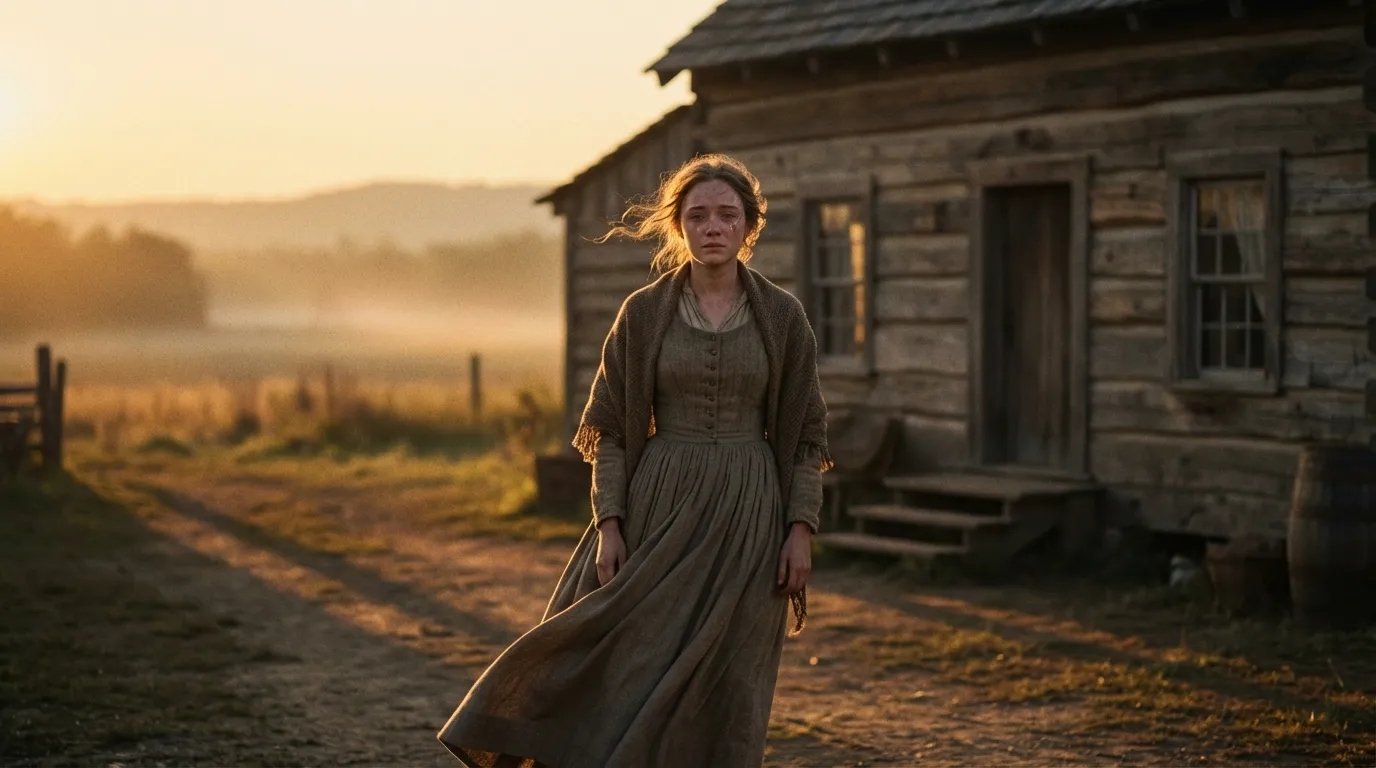
Some novels do not break your heart in one loud moment. They do it in pieces.
A father dies. A mother gets sick. A child becomes “the strong one” before she is ready. The chores still need doing. The bread still needs baking. The horse still needs feeding. That is why historical fiction about surviving family tragedy stays with readers. It understands a hard truth: grief does not stop the day. Life keeps knocking on the door.
That tension is the heart of the genre. A family suffers loss, but the story is not only about pain. It is about what comes after pain. It is about the long walk from shock to duty, from duty to endurance, and from endurance to a new kind of love.

ELOISE OF WESTHAVEN
Volume 1

ELOISE OF WESTHAVEN
Volume 2
Why this theme matters so much in historical fiction
Historical fiction places private sorrow inside public hardship. A death in a quiet home is painful. A death during war, illness, migration, or poverty carries even more weight. The family is grieving, but the world around them is also unstable.
That is why these stories feel bigger than one sad event. They ask a deeper question: How do people keep living when grief arrives at the same time as danger, hunger, or uncertainty?
The strongest themes in stories about surviving family tragedy
1. Grief becomes duty
In powerful historical fiction, sorrow does not stay private for long. Someone must fetch water. Someone must earn money. Someone must care for others. Someone must decide what happens next.
That shift from child to caretaker is one of the strongest themes in the genre. A young person may face loss and, within hours or days, must act like an adult. Fear and responsibility begin to live side by side.
This theme works because it reflects real human behavior. Deep grief does not pause life. It often forces people to act before they are ready, which reshapes how they see themselves and their place in the world.
2. Survival is made of ordinary acts
Historical fiction shows that survival is rarely dramatic. It is not always about heroic moments. Often, it is about continuing simple tasks while carrying emotional weight.
It can look like washing dishes, preparing food, tending animals, or keeping a home running. These acts may seem small, but they represent strength. They show that life continues, even when everything feels broken.
Recovery also follows this pattern. It is slow, physical, and grounded. Eating again, resting, regaining strength, and accepting help all become part of survival.
3. Community becomes a life raft
Family tragedy often removes the structure people depend on. When that happens, others step in.
Neighbors, friends, or even strangers may provide food, care, shelter, or guidance. These acts are not just kind gestures. They are necessary for survival.
This theme highlights an important truth: people rarely survive grief alone. Support from others can steady someone long enough for them to rebuild their life.
Care, presence, and shared responsibility often become the foundation for recovery.
4. Loss changes the meaning of family
Tragedy not only takes people away. It changes how the living define family.
At first, family may mean blood and shared history. After a loss, it may grow to include those who stay, help, and support. It may become about loyalty, care, and shared struggle.
This shift is central to many historical stories. It shows that a family can be rebuilt, even after it has been broken.
5. Recovery is not neat
Strong stories do not rush healing. They allow recovery to unfold slowly.
Grief does not move in a straight line. A person may feel strong one moment and overwhelmed the next. There can be anger, fear, confusion, and moments of quiet peace.
Healing often happens in layers. People learn to carry their loss while continuing to live. The pain may remain, but it changes over time.
That uneven path is what makes these stories feel real and lasting.
How historical pressure deepens family tragedy
War, famine, disease, and migration raise the stakes
In historical fiction, personal loss is often shaped by larger events. War, illness, social change, or economic hardship can increase the weight of tragedy.
Families are not only dealing with grief. They are also facing instability in the world around them.
This creates tension and urgency. Characters must survive emotionally while also solving practical problems like food, shelter, and safety.
The result is a story where survival requires both inner strength and outward action.
What readers should look for in these novels?
Notice the turning points
When you read historical fiction about surviving family tragedy, watch for these moments:
- the first practical decision after loss,
- the first time the survivor accepts help,
- the first return to routine,
- the first sign of future thinking,
- and the first new bond that feels like home.
Those are the real milestones. They show survival becoming life again.
Notice how objects and chores carry memory
A bed, a kitchen table, a tree, a coat, a horse, a hymn, a recipe. Historical fiction often uses simple objects to hold grief. That is smart storytelling. The past becomes physical. Memory sits in the room.
Notice when strength changes shape
At first, strength may look like refusing to collapse. Later, it may look like asking for help. Later still, it may look like tenderness, work, humor, or love.
That is a major lesson from stories like Eloise’s. Survival is not one fixed personality trait. It is a chain of choices.
Why these themes keep readers coming back
Readers return to these stories because they offer something deeper than sadness. They show how people endure, adapt, and rebuild.
These narratives reflect a truth many recognize: loss can change life, but it does not erase the possibility of meaning.
They remind readers that even in difficult times, people can care for one another, continue their responsibilities, and slowly move forward.
FAQs
What are the main historical fiction themes about surviving family tragedy?
The main themes are grief, duty, resilience, rebuilding, memory, chosen family, survival through daily work, faith, hope, and identity after loss.
Why does family tragedy work so well in historical fiction?
Because personal loss is shaped by real historical pressures such as war, illness, migration, poverty, or social conflict. The setting makes survival harder and more moving.
Are these stories only about sadness?
No. The strongest ones balance sorrow with courage, tenderness, humor, loyalty, and growth. The pain matters, but the survival matters more.
What makes a family-survival story feel real?
Slow recovery, practical details, believable grief, strong setting, and characters who must keep living while they mourn.
Can these books be hopeful without feeling fake?
Yes. Hope works best when it grows from action, care, and honest struggle, not from easy endings.
Final thought
If you love historical fiction themes about surviving family tragedy, look past the word “tragic.” The deepest stories are really about endurance, belonging, and what people do when love must change shape after loss.
Save this article for your next reading list, and share it with a fellow reader or book club member who loves family sagas with real emotional weight. If a novel has ever helped you make sense of grief, I would love to hear which one.

0 Comments